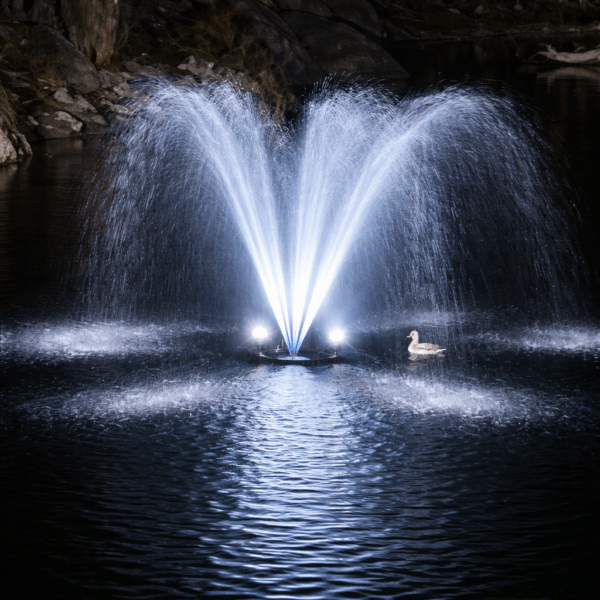
Floating Fountains For Small Ponds: A Practical Guide For Your Outdoors
Floating Fountains For Small Ponds
Backyard ponds across the USA come in many sizes, and a compact water garden needs a different approach than a large landscape lake. Moving water adds oxygen, breaks up stagnant surface areas, and creates a calming sound that makes an outdoor space feel more alive. When space is limited, floating fountains for small ponds are a practical choice because they sit on the surface, require no plumbing or digging, and can be moved whenever the pond layout changes. Smaller ponds are also more sensitive to splashing, evaporation, and sudden water-level shifts, so scale matters more than many first-time buyers expect. Even so, the right unit depends on pond dimensions, water depth, power access, and the look the owner wants. Considering these points early saves time and avoids replacing equipment later. This article covers the main factors worth reviewing before choosing a fountain that suits the pond instead of overwhelming it.
Match Fountain Size to Pond Dimensions
Scale is the first decision. A fountain that is too powerful for a pond a few feet wide can throw spray beyond the edges, lowering the water level and wasting energy. A unit that is too weak may barely disturb the surface, offering little aeration benefit. As a general rule, the spray pattern should stay comfortably inside the pond’s boundary, even on breezy days. Pump capacity, usually listed in gallons per hour, also matters, since a pump should circulate the pond’s volume at a reasonable pace without creating strong turbulence. Fish and aquatic plants often prefer gentle movement, so a modest spray height is usually better. Homeowners shopping for floating fountains for small ponds should therefore measure the surface area and estimate volume first, then compare those numbers with the manufacturer’s specifications. Owners with shallow ponds should be especially careful, because strong pumps can disturb bottom sediment and cloud the water. Spray patterns such as a single plume, tiered bell, or geyser each behave differently, so reviewing the pattern shape alongside height helps prevent surprises after installation.
Plan Placement, Depth, and Power
Placement affects both performance and safety. Floating units need adequate water depth, and many models work best with at least a foot or two of clearance beneath them so the intake does not pull in sediment or debris. Anchoring or tethering the fountain keeps it from drifting into plants, rocks, or the pond’s edge. Power supply is equally important: outdoor-rated cords, ground-fault circuit interrupter protection, and a weatherproof outlet are standard safeguards in American backyards, and the cord should reach the outlet without stretching across walkways. Positioning the unit near the center usually produces an even spray, while placing it closer to a seating area lets owners enjoy the sound. Because floating fountains for small ponds are easy to move, owners can test a few spots and see which one improves circulation best. Shaded areas are also worth considering, since heavy leaf fall near trees can clog the intake faster. Periodically cleaning the intake screen and checking the cord also keeps the pump running smoothly through the season.
Conclusion
Selecting the right fountain comes down to matching scale, depth, and power to the pond rather than choosing the largest option available. A well-sized unit supports healthier water, adds gentle movement, and keeps maintenance manageable throughout the year. Taking a little time to plan also prevents costly mistakes and keeps the pond looking balanced. For those who want evening ambience, floating fountain lights can highlight the spray after dark, and many owners choose low-voltage, waterproof options designed for continuous outdoor use. Whatever features are added, safe wiring and secure placement should remain priorities. Friendly Fountains is one source of floating pond fountains in the USA, and browsing its product category can help owners compare spray patterns and sizes. Anyone researching floating fountains for small ponds should also read the specifications carefully, confirm that the pump suits the pond volume, and plan for seasonal care so the fountain keeps performing well for years.