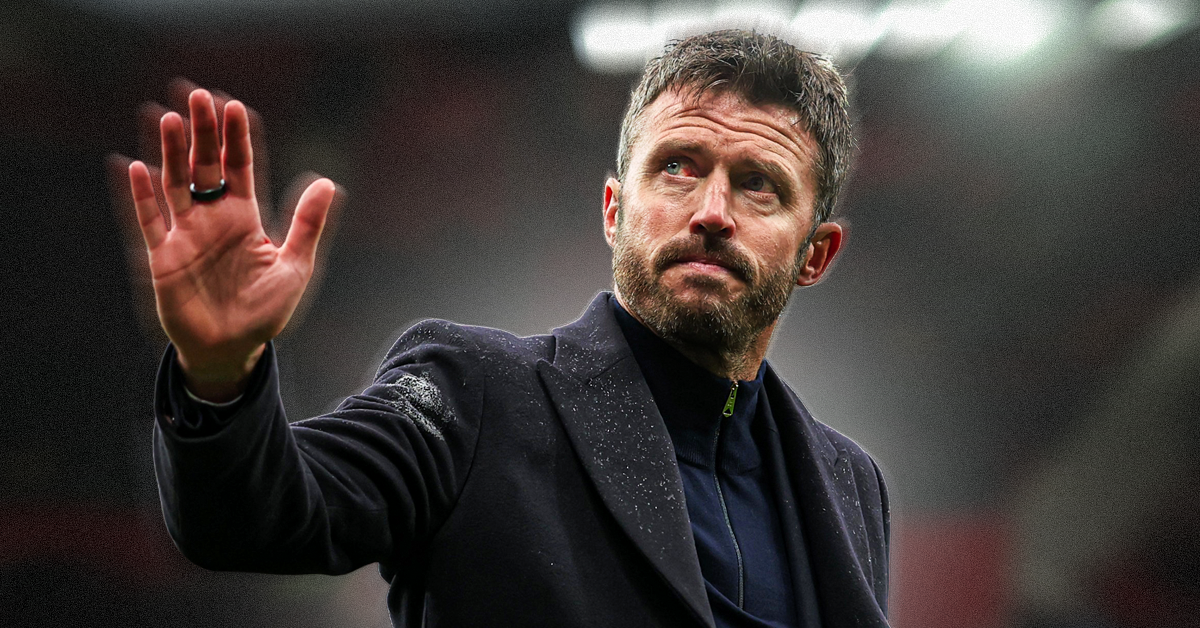
Illustrator Jack Patmore Photographer Getty Images
The Need for Speed: The harsh reality of modern football management
For a manager to last the duration of an entire season is becoming unheard of, with the relentless demand for results leaving little room for patience.
Gone are the days of managers being able to get their feet under the table and build a project around their footballing philosophy, but instead the fixation on immediate results has taken over.
That’s not to say all clubs don’t afford their head honchos sufficient time, those who do often reap the rewards of their loyalty, yet the turnover of managers at the highest level only points towards this growing trend of the ruthless nature of being in the dugout.
The Premier League is a prime example of a division where a faithful approach isn’t always granted, with 11 managerial changes being made throughout the duration of last season.
Just two months into the campaign, speculation surrounding the potential departures of the likes of Michael Carrick and Pierre Sage is already at its zenith with there being a case of inevitability when there is the first managerial casualty.
But why are managers struggling to build for the long-term and what does it say about the current climate of management?
When it works
Today, Arsenal are well-renowned as one of the best in Europe after their first title-winning campaign in 22 years and a penalty shootout victory away from winning the continent’s premier competition.
A squad boasting world-class players in every department, it’s easy to forget that even just a few years ago, they were a club divided. Mikel Arteta arrived in 2019 and it was clear that it wasn’t going to be an overnight fix, but one which would require a long-term reconstruction.
It would have been the ‘sensible’ decision to part company with the Spaniard on numerous occasions in his first few years in charge, a notion which gained considerable traction towards the start of the 2022/23 campaign after a poor start.
Yes, he was afforded a handsome transfer budget to mould the Gunners into his vision while also removing the deadwood which he inherited. However, that can’t take away from the remarkable job he has orchestrated and they are now light-years ahead of some of their divisional rivals.
The same can be said about Aston Villa and Unai Emery. Arriving at Villa Park with a side devoid of quality and flirting with relegation, the ex-Villarreal boss has completely turned their fortunes around, leading them to UEFA Europa League glory last season and now capable of toppling Europe’s elite.
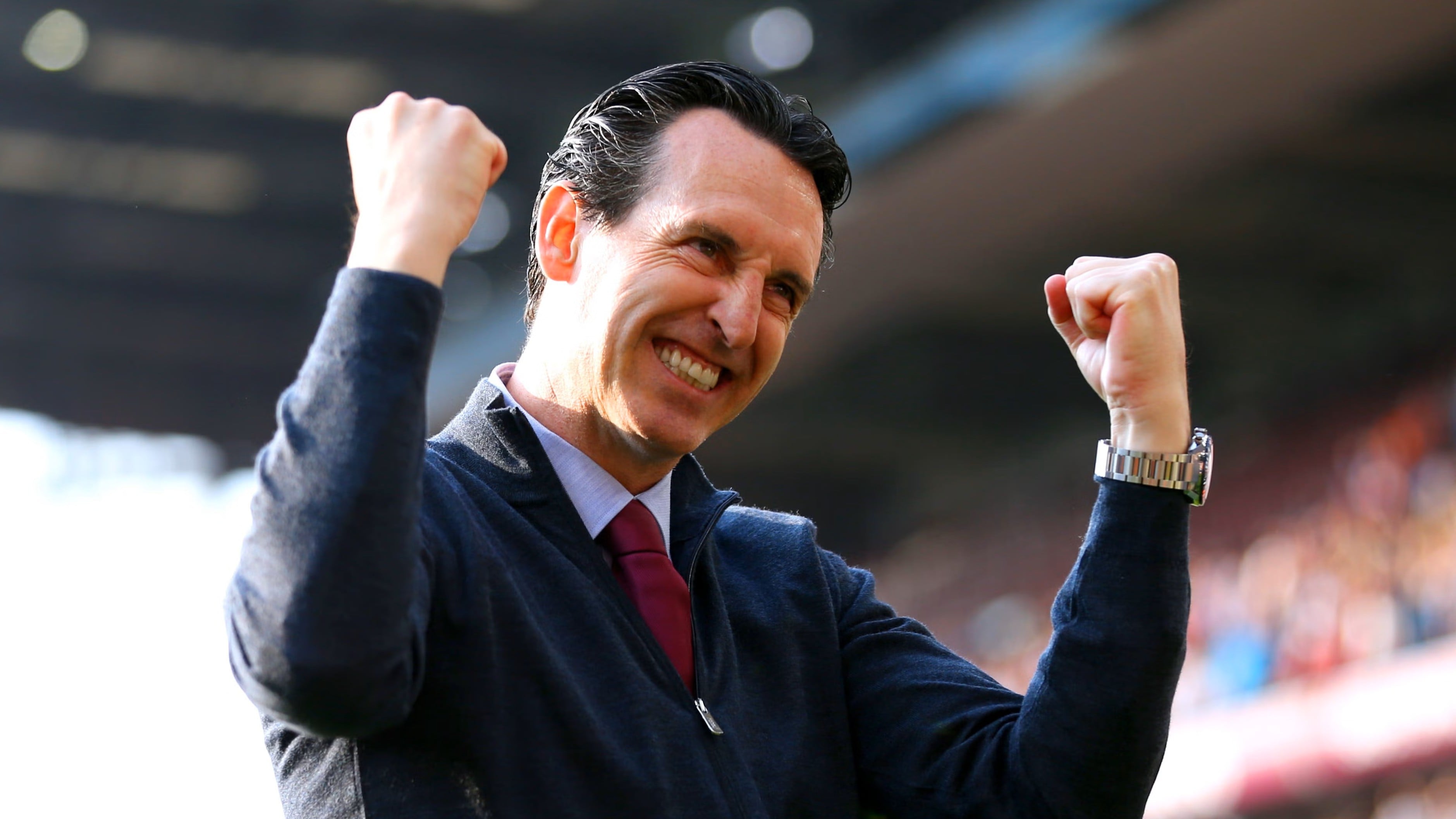
While there was less external pressure on Emery to deliver immediately, his side have had troubled spells, but there has been no urge to pull the trigger, and rightfully so for a manager now viewed eternally in the West Midlands.
There are also plenty of examples across Europe.
Manuel Pellegrini joined Real Betis in 2020 with a slightly tarnished reputation after a disastrous stint at West Ham, but has guided them to Europe in all of his six full seasons in charge, culminating in their first Champions League campaign in over 20 years.
The jury was out on Sebastian Hoeneß at Stuttgart after narrowly avoiding the drop in 2022, but he was trusted to lead them for the following campaign where they finished in second. Following a shaky start to the Bundesliga season this time around, the four-time DFB-Pokal winners will know that patience can once again prove its worth
Nonetheless, Arteta does remain the shining example, given the size of the club and the upheaval he oversaw, but it remains to be seen whether others will be afforded the same time to build a lasting legacy.
Right manager, wrong fit
Equally, it has to be said that a driving factor behind this growing trend of managerial sackings is clubs often hiring the wrong man in the first place, or just not the right fit.
While there has to be an element of patience and allowing the man in the hot seat to bide their time, clubs don’t always have the luxury to wait for the fruits of their labour. Arsenal is perhaps an anomaly, although signs of progression were evident under Arteta.
Tottenham Hotspur turned to serial winners Jose Mourinho and Antonio Conte to end their barren trophy drought, but neither could replicate their previous success in north London.
Such struggles are not uncommon when managers follow in the footsteps of figures who have built extraordinary legacies, only to find themselves unable to meet the lofty expectations like David Moyes and Emery at Manchester United and Arsenal respectively.
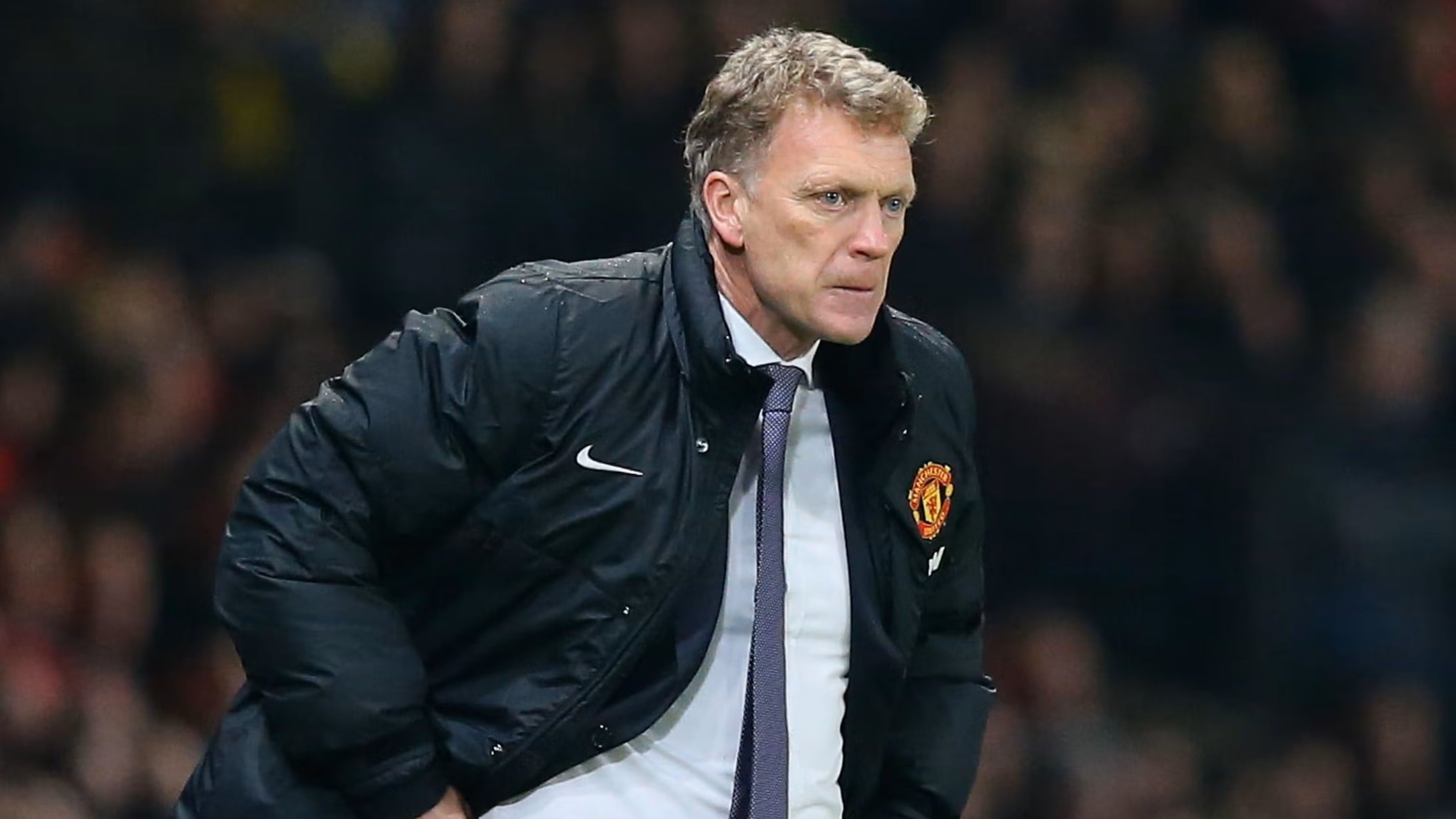
It’s not to say they are bad managers, simply they just didn’t fit the club at the time of their arrival.
At the other end of the scale, some managers are dismissed when a poor run of results intertwines with little evidence of a clear direction taking shape.
The tenures of Erik ten Hag and Ruben Amorim at Old Trafford spring to mind, particularly with the latter who remained committed to his three-at-the-back system, despite not having the players at his disposal to effectively play that formation.
Fast forward to today though and Manchester United face a pressing dilemma over whether to stick or twist with Carrick. Results and performances have been concerning in the opening exchanges of the season, but he single-handedly dragged his former side to the Champions League places last term when such an achievement looked impossible.
Speculation around a potential successor is rife, but it only undermines the sensational job he has done there and how he should be given time to steer a sinking ship around.
Akin to Xabi Alonso during his time at Real Madrid last season, the need for immediate results meant he was unable to build a team fully in his mould, despite having the credentials to be perfectly suited for the role in the Spanish capital.
Even to a lesser extent with Sage at Crystal Palace. He may not have hit the ground running at Selhurst Park, but spearheaded Lens’ Ligue 1 title pursuit last season and will need time to get his ideas across. Again though, this could just be the case of the right manager at the wrong time.
The relentless demand for results
This all points towards how it isn’t necessarily the manager or the clubs themselves which is the problem, but a combination of factors which leads to a sacking.
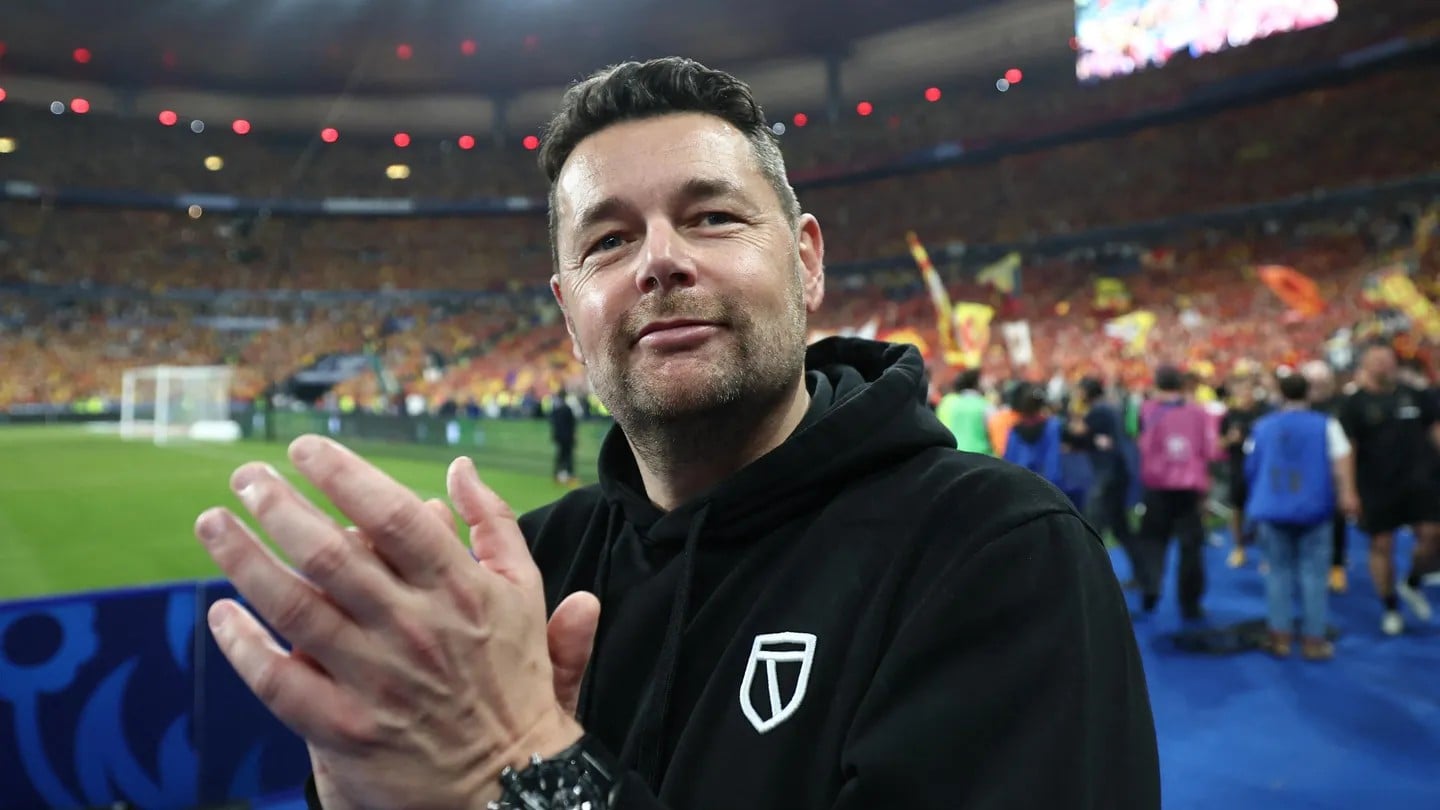
There are cases where loyalty simply isn’t rewarded, but at the tail end of that, some managers are given the time but simply don’t deliver. With speculation mounting over who will be the Premier League’s first managerial casualty, to put it into its simplest terms, it is just the nature of the beast.
Clubs require results and fast, with the pressure of delivering financially outweighing the prospect of building a long-term project, with immediate gratification prioritised.
At the end of the day, football is a results business and it is no surprise that managers across Europe don’t remain in the hot seat for particularly long now.
Nevertheless, managers are increasingly victims of a results-driven hierarchy where the pressure for immediate success often comes at the expense of implementing their ideas in a long-term project.
Credits
Words