
Illustrator Jack Patmore Photographer Getty Images
Viktor Gyokeres: From missing piece to misfit
Once hailed as the solution to Arsenal’s striker dilemma, Viktor Gyokeres’ hopes of becoming a mainstay under Mikel Arteta have rarely looked bleaker.
His arrival in north London last summer was met with understandable fanfare, thanks to an astonishing two-season spell at Sporting Lisbon where his 97 goals in 102 games spearheaded back-to-back Primeira Liga titles.
A move to the Emirates Stadium always seemed the most likely destination, a side that had been narrowly pipped to the Premier League title in the previous three iterations and were crying out for a clinical cutting edge in front of goal.
Their lack of a consistent number nine had ultimately been the hamartia of their three second-placed finishes so Gyokeres’ signing, for a fee potentially rising to £63.5 million, looked to be the missing piece of the jigsaw.
On the face of it, 20 goals in all competitions in his debut campaign make for an undeniably impressive return.
Ending their 22-year wait for the Premier League and reaching the UEFA Champions League final for the first time since 2006, it was a history-defining campaign but one where Gyokeres’ part in the side was often under scrutiny.
Such criticism has only escalated in the opening exchanges of the season, a trend reflected in Arteta’s team selections with the former Coventry City man yet to start a league game and his appearances in other competitions proving unconvincing at best.
With Kai Havertz preferred to lead the line in Arsenal’s biggest games, questions linger over whether Gyokeres can establish himself as Arteta’s first-choice striker.
A mixed maiden campaign
In a summer of major striker overhauls last time around, Manchester City were the only one of the so-called ‘big six’ not to recruit an established number nine.
Hugo Ekitike and Alexander Isak headed to Liverpool for a combined £200 million, Manchester United called upon RB Leipzig’s Benjamin Sesko while Joao Pedro was the other marquee forward addition, touching down at Chelsea.
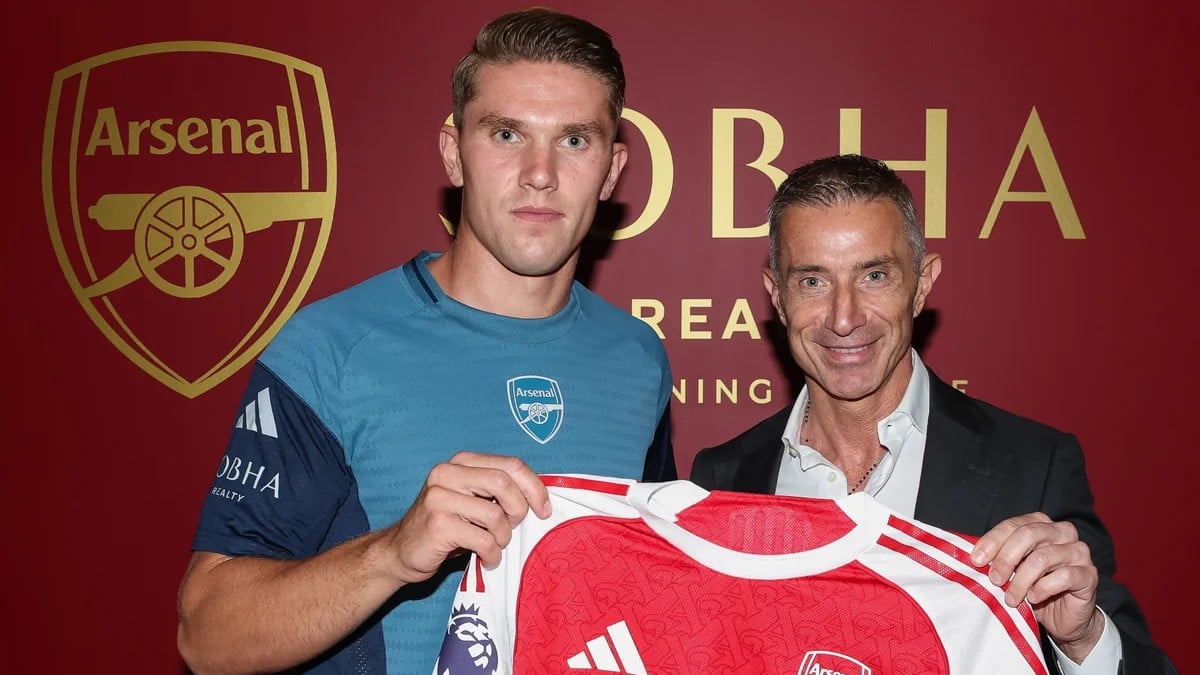
Nonetheless, Gyokeres’ signing looked to be the best value-for-money thanks to his ruthless spell in Lisbon where he not only took the Primeira Liga by storm, but also shone on the Champions League stage.
A brace on his second start against Leeds United quickly silenced premature suggestions that he was a flop signing, although he appeared to struggle in linking play effectively in Arsenal’s free-flowing attacking system.
His key strengths lie in his physical dominance and lethal finishing inside the box, qualities which didn’t always align with the slow, intricate build-up play Arsenal often had to rely upon to break down stubborn low blocks.
He did however show his quality on the European front with a double against Atletico Madrid, ending a nine-game scoreless run, and serving as a reminder of the quality on display but Havertz was still the man trusted to lead the line.
An end-of-season wobble was navigated with Gyokeres at the heart of it, hitting the 20-goal mark in May to ensure he joined Alexis Sánchez and Thierry Henry in reaching that milestone in their first seasons.
Flourishing in a dogged stalemate against Atletico Madrid to book their ticket to the Champions League final, it proved to be a sign of things to come when Havertz was given the start against Paris Saint-Germain.
A German who thrives on the biggest occasions, Havertz’s quality ultimately paid dividends as he fired Arsenal into the lead with a sixth-minute opener. Gyökeres, introduced just after the hour mark, was far less influential as he struggled to make anything stick as the focal point of the attack.
A victim of Havertz’s stellar performances
The heartbreak of that night in Budapest was compounded by Gyökeres’ underwhelming performance, with Arteta addressing the need to build a dynasty and challenge Europe’s elite.
Links to Victor Osimhen and Julian Álvarez over the summer suggested Arsenal were far from satisfied with their existing striking options and remained keen to bolster that area of the pitch.

Speculation of a potential swap deal for the latter involving Gyokeres was perhaps an early indication of his uncertainty standing in the team.
It has to be said, there has been an overwhelming majority of the Gunners faithful who have wanted him to succeed, but in the opportunities which he has been granted so far this term, he is yet to deliver.
He had limited minutes in their opening four competitive outings of the season from the bench but was given the start in their Champions League curtain-raiser trip to Napoli.
The former Swansea City loanee did himself no favours though, receiving just nine touches during his 71 minutes on the field and being forced to play with his back to goal for the mostpart against Massimiliano Allegri's defensive-minded side.
Their Carabao Cup clash against Ipswich Town cast further doubt over Gyökeres’ place in Arteta’s plans. He had acres of space on the right-wing and played a hopeless ball down the line, with his teammates reacting in frustration but not surprised.
A turbulent start to the campaign meant the international break was a very welcome sight and he put his early-season woes behind him, netting in all four of Sweden’s Nations League games and seemingly getting his taste for scoring back.
Arteta has primarily selected Gyokeres in domestic cup or European clashes and following a fruitful spell with his national side, the midweek visit of Lille was the ideal opportunity for him to stake a claim for a more regular role given Arsenal’s relentless schedule.
Statistically, it was another night to forget as Gyokeres won just one duel and managed a mere 13 touches despite the hosts enjoying the lion’s share of possession.
Hooked just after the hour-mark with the Gunners in desperate need of a spark going forward, it has been a common trope for Arsenal to primarily play down the wings which has further limited Gyokeres’ involvement in build-up play.
Leaning towards a move away?
There is no denying that he can be one of the most lethal strikers in Europe, but Arsenal’s system simply doesn’t play to his strengths.
Arteta has been seen time and time again to mould players into new positions, from Myles Lewis-Skelly into a box-to-box midfielder and more relevant to this discussion, Havertz from a number ten into a striker.
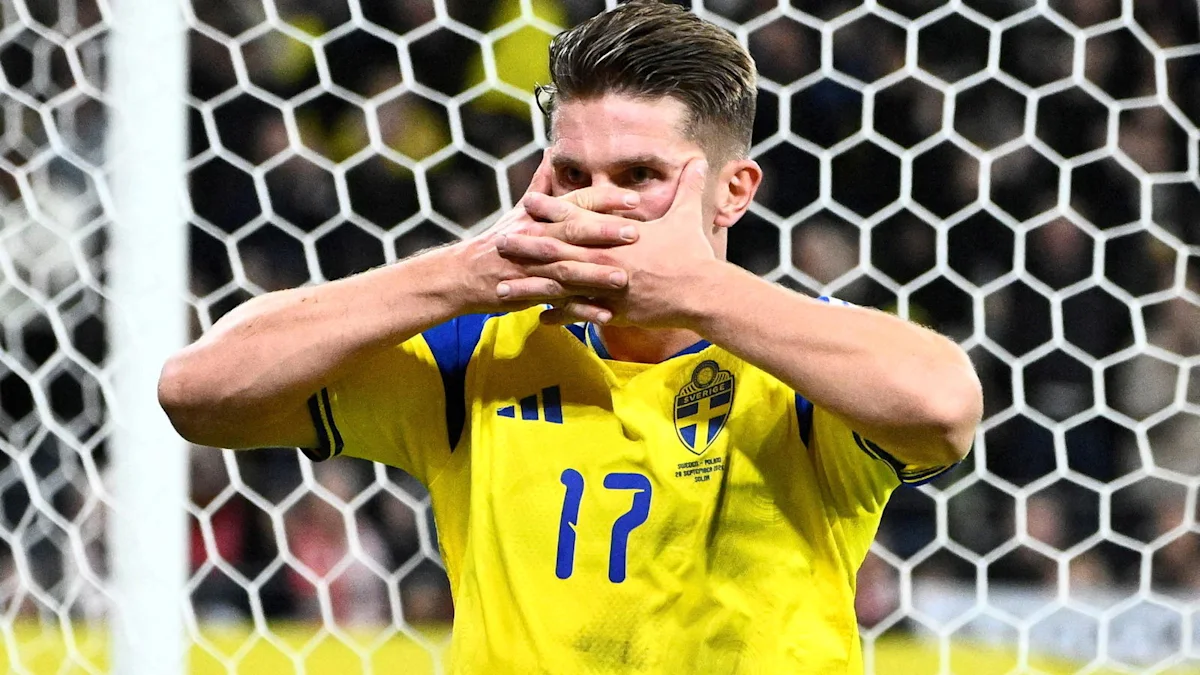
The Spaniard always seems to have a trick up his sleeve to maximise the players at his disposal, but it remains to be seen whether Gyokeres can follow in the aforementioned footsteps.
That is not to say his Arsenal career is over, far from the case, but a return to overseas appears increasingly likely at this stage.
Links to Bournemouth’s latest young prodigy Eli Junior Kroupi remain, so a January move for the French wonderkid may pave the way for Gyokeres’ departure.
It’s remarkable however, or perhaps a testament to the incredibly high standards set by Arteta, that Gyokeres could be made surplus to requirements in the not too distant future.
He may have failed to set the season alight so far with his uninspiring performances, but his prolific spell at Sporting Lisbon epitomised the quality he possesses.
Perhaps the issue is less about Gyokeres himself and more about Arsenal struggling to play to his strengths.
Credits
Words