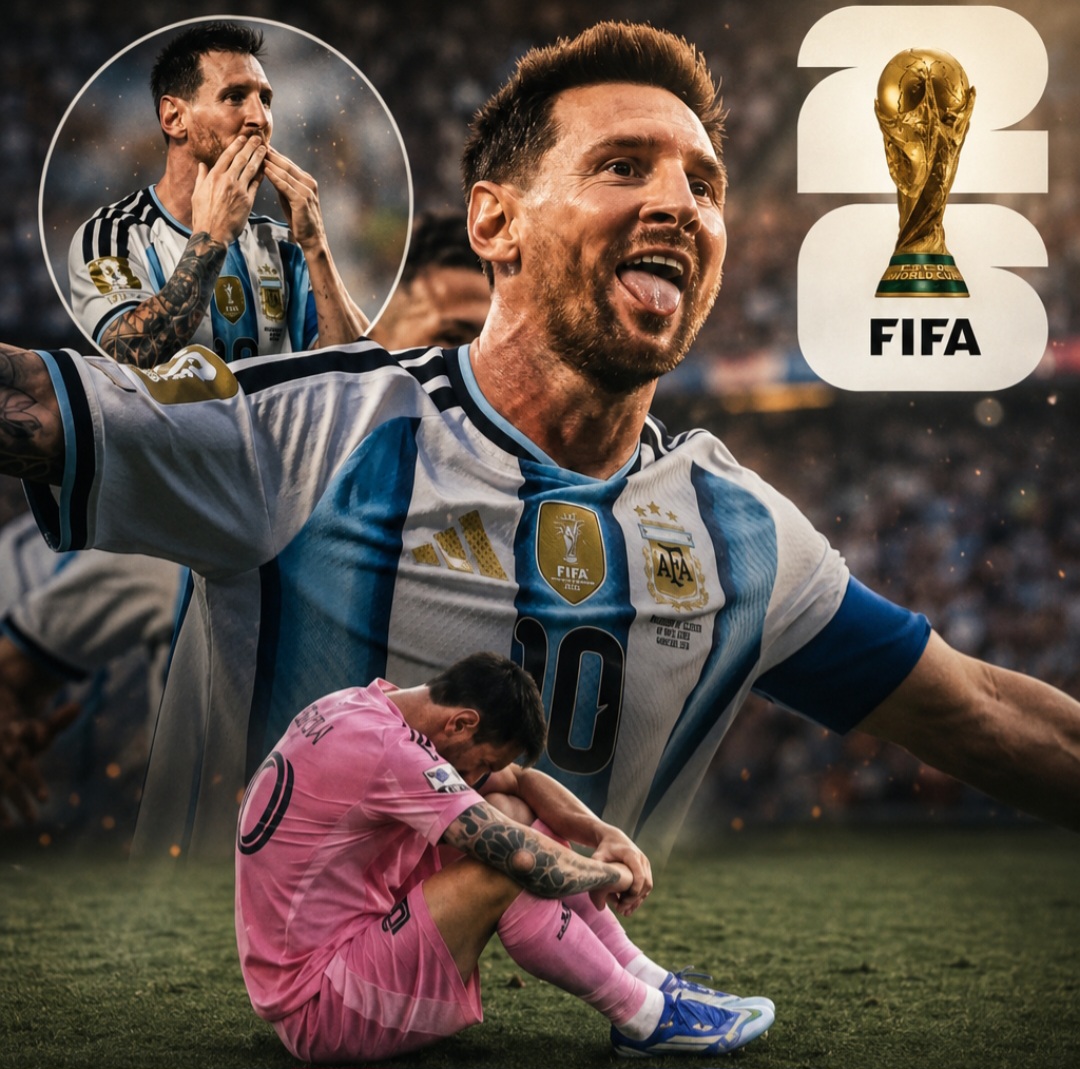
From Messi's Injury Scare to a Historic World Cup Hat-Trick : Lessons in Workload Management ?
Just days before the FIFA World Cup, the football world was surprised by Lionel Messi's sudden stoppage on the pitch after suffering a muscle injury during an MLS match with Inter Miami. This immediately raised concerns among millions of fans worldwide about the possibility of the Argentine legend missing his sixth consecutive World Cup due to physical overload and accumulated fatigue after playing many matches and minutes with his club. Fortunately, medical examinations confirmed that it was only a minor injury, and Messi would need a few days of rest and rehabilitation before returning to full fitness. The Perfect Response on the Biggest Stage That is exactly what happened. Messi started the World Cup by scoring his first-ever hat-trick in the tournament during his sixth World Cup appearance. He also equaled the legendary German striker Miroslav Klose as the all-time leading scorer in FIFA World Cup history, at least temporarily, as the competition continues and other stars such as Kylian Mbappé have also started strongly after scoring two goals in his opening match against Senegal. However, Messi's injury before the tournament offers several important lessons. The Importance of Managing Workloads Before Major Tournaments At 38 years old, Messi is no longer at an age where he should be expected to play every available minute for his club. Managing his workload is essential, especially since he is Argentina's most important player, not only on the pitch but also from a strategic and leadership perspective. What would have happened if Messi had missed the tournament, both technically and emotionally for the team? Reducing Playing Time for Key Players Before Major Competitions One logical approach is to encourage influential stars to play fewer matches and fewer minutes before major tournaments. Excessive pressure to participate in every game could negatively affect them in different ways. At the same time, I believe that players like Messi are often the ones who decide how many matches and minutes they play because they naturally dislike being away from the pitch. The Role of Medical and Performance Staff This is where the medical and performance departments become extremely important. Their role is to discuss workload management with these stars while considering many variables that help players arrive at major tournaments in the best possible condition and avoid unnecessary risks that could lead to injuries. The Importance of Mental Recovery Before Big Tournaments One of the most important factors players should focus on is mental preparation. Rest, relaxation, and maintaining a calm mindset before major tournaments are essential because such competitions bring enormous pressure and expectations. The Players' Own Experience It is natural that elite players prefer to play as many minutes as possible, either because they enjoy competing or because they chase individual records and achievements. Therefore, choosing to rest or reduce playing time before major tournaments should be viewed as a smart decision that ultimately serves their own long-term interests. Conclusion : Major tournaments are not won solely through excessive effort beforehand. They are won through smart management of a player's physical condition, mental readiness, and the surrounding circumstances.
More from Mohamed Khirallh coming soon.
Visit the profile to follow and get notified when the next piece lands.