The Co-Creation Economy: Athlete and Brand Partnerships
More than Ever Athletes are seeking more action on the creative front as they want more part in the story-telling and Product Direction with the brands they collaborate with, New Balance and On are brands implementing this strategy
Over the past few years, the way brands partner with football players has started to change. The grip that the big three of Nike, Adidas and Puma held on football athletes seems to be loosening. Increasingly, players are choosing brands with the best long-term plan for them, values that align with their own, and a genuine interest in investing in the causes they care about. They want a say in the creative process, not just money on the table and a relationship tied mostly to media and commercial obligations.
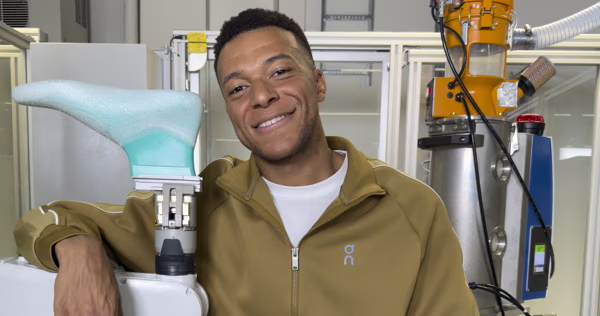
This is the co-creation economy: a market in which athletes help shape the product, the story and the brand alongside the company, and brands win by treating them as partners rather than billboards. Right now, New Balance and On Running are getting it right. On 18 September 2026, On announced Kylian Mbappé as a partner and expanded its partnership with Barcelona Femení player Sydney Schertenleib. The news broke the internet. It signalled On’s transition from running shoes into football with On Football, and it brought down the curtain on a defining era of the partnership between Nike and Mbappé.
New Balance, by contrast, got there early. It has relationships with Bukayo Saka, Eberechi Eze and Endrick, and it has been steadily building a roster of top football athletes. That trust between player and brand is what the co-creation economy is all about.
New Balance: Setting the Blueprint
From Boston to the football pitch
New Balance was founded in Boston in 1906 by immigrant William J. Riley. Its success in the 1970s came from the 320 (1976), built for other sports, and it did not enter football until the 1980s, after opening a factory in Flimby, Cumbria, which still produces its Made in UK range. The face of that move was Manchester United legend Bryan Robson, respected by teammates for his leadership and composure on and off the pitch. He wore the S506, S706 and S906 boots, built from kangaroo or buffalo calf leather.
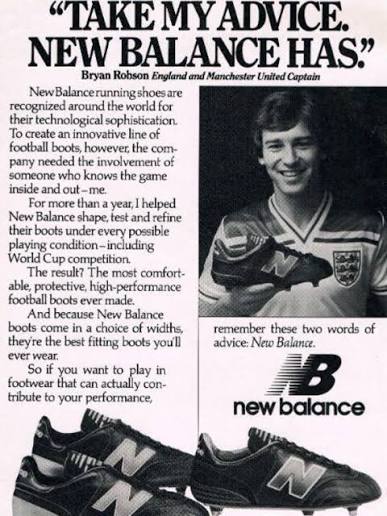
When Robson retired in the 1990s and moved into coaching at Middlesbrough, tough competition from Nike pushed the brand’s football boots into the shadows. The re-entry came in 2015 with a Liverpool kit deal for the 2015/16 season. That led to signings such as Vincent Kompany, Aaron Ramsey and Adnan Januzaj, and further kit deals with FC Porto and Sevilla FC.
What changed: strategy
Some fans might wonder what changed. It is as simple as strategy. New Balance was looking in a new direction: a new era of pursuing excellence, with a passion for innovation, leadership and core values at the forefront of its athlete programme and of how the brand saw itself. It wanted cultural alignment and mutual understanding with the athletes it worked with, and that idea has shaped the mindset of its athlete programme in the 2020s.
The slogan “We Got Now” captures this. It signifies a focus on the power of the present, striking a balance between heritage, modern performance, gear innovation and good style. Combined with a shared vision and good rapport with its athletes, it is attracting a new generation. The programme in the 2020s has been about quality over quantity, leaning into athletes who share the brand’s values and want to build something.
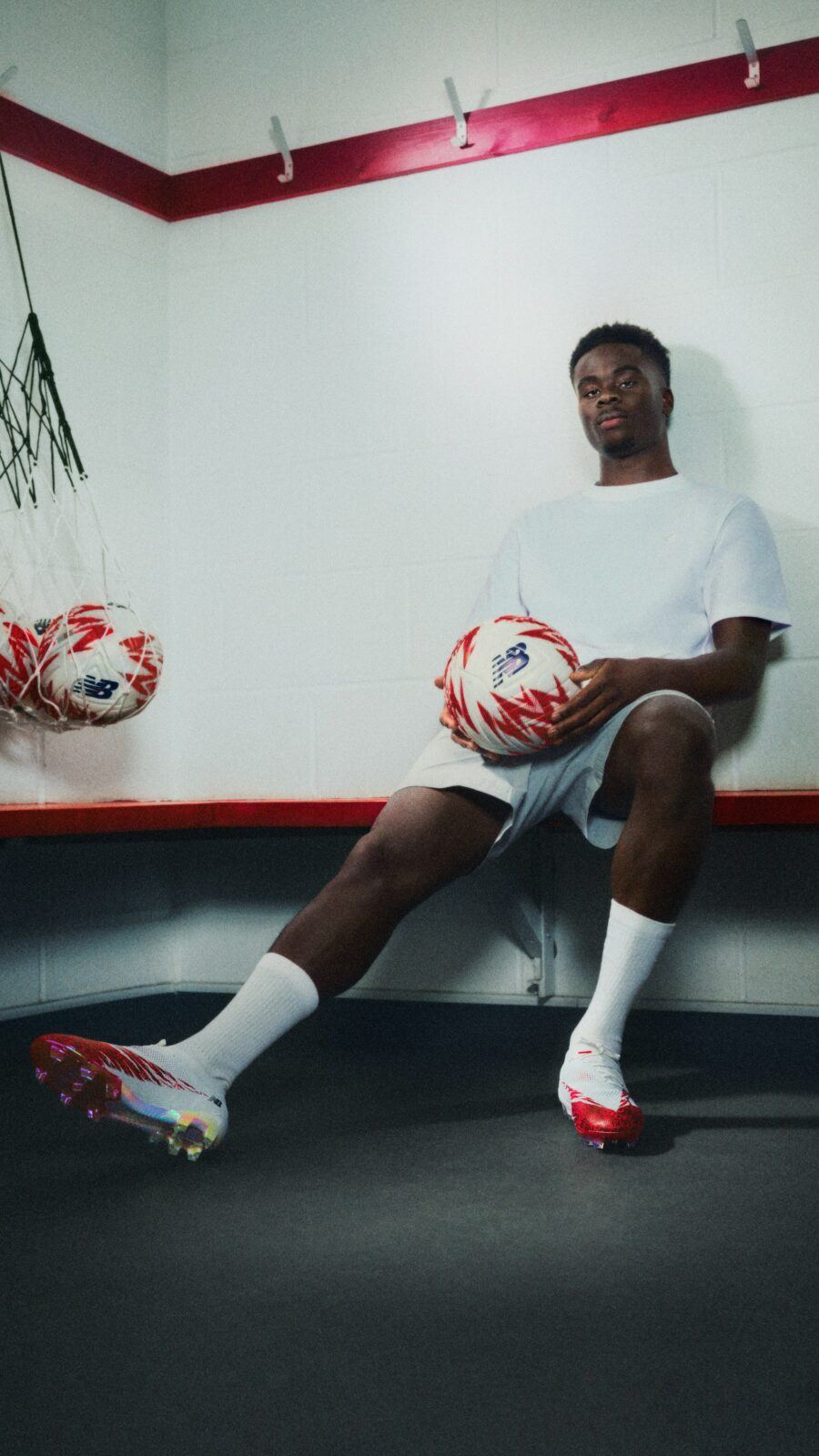
Gabby Thomas, the American Olympic sprinter, is vocal about her appreciation of New Balance supporting her philanthropic efforts. Arsenal winger Bukayo Saka is well embedded in the Arsenal and London community and has shown his humility on and off the pitch. The approach with Saka shows the strategy of forging meaningful relationships in action. He was fully integrated into the design process and brought on as creative lead for his signature Furon V8, the “7egacy”, a boot that blends colours and symbols from his upbringing in London and his boyhood club, Arsenal.
Athletes who feel at home
In an interview with House of Heat, another New Balance ambassador, US men’s national team striker Timothy Weah, who shone on the World Cup stage earlier this year, said that when he signed with New Balance some years ago he wanted to be part of something that made him feel at home and allowed him to be expressive and in his creative flow. The partnership gave him just that. Other athletes, including Yunus Musah, Yan Diomande, Endrick and Eberechi Eze, are feeling the same expression of creativity, along with the trust and comfort to be themselves around senior figures at the brand.
The co-creation economy expects brands to nurture relationships with their athletes and give them that creative freedom. The current sports climate is athlete-led, and core fans and casuals alike feel more enticed to buy from brands that sponsor the athletes they support, or athletes affiliated with the teams they support. As On begins a new chapter, New Balance has effectively given it the blueprint.
On Football: A New Dawn
Where On came from
On Football was announced on 18 September 2026. While it marks On’s entry into football, the story of On Running began 16 years ago in Zurich, Switzerland. It was founded by retired professional triathlete Olivier Bernhard, a six-time Ironman champion and three-time duathlon champion, together with fellow St. Gallen graduates David Allemann and Caspar Coppetti, who helped turn the idea into a real company.
On is well known for its Swiss innovation and its cushioning technology, which came about when Bernhard experimented with attaching rubber tubes cut from a garden hose to a running shoe sole, chasing a softer landing paired with a firmer push-off. That homemade prototype eventually became CloudTec, the pod-based cushioning system that still defines every On running shoe sold today.
The Federer effect
As On continued to grow and demand soared, something significant happened in 2018 that changed the trajectory of the brand. Roger Federer had just left Nike and was seen wearing a pair of On running shoes on social media. The founders sent him a gift package, which led to a dinner meeting. The discussion convinced Federer to partner with them, and he invested an undisclosed sum, effectively becoming a partner in 2019.
The partnership inspired Federer to want to make the best tennis shoes, and it also inspired a line of lifestyle apparel. At a time when other brands were shying away from tennis collaborations, On’s partnership with Federer launched it into the world of tennis. By 2021 On had gone public, raising $746 million in its IPO. In 2024 it pushed innovation further with LightSpray, its proprietary robotic manufacturing technology. As of 2026, On has a market value of approximately $10.12 billion.
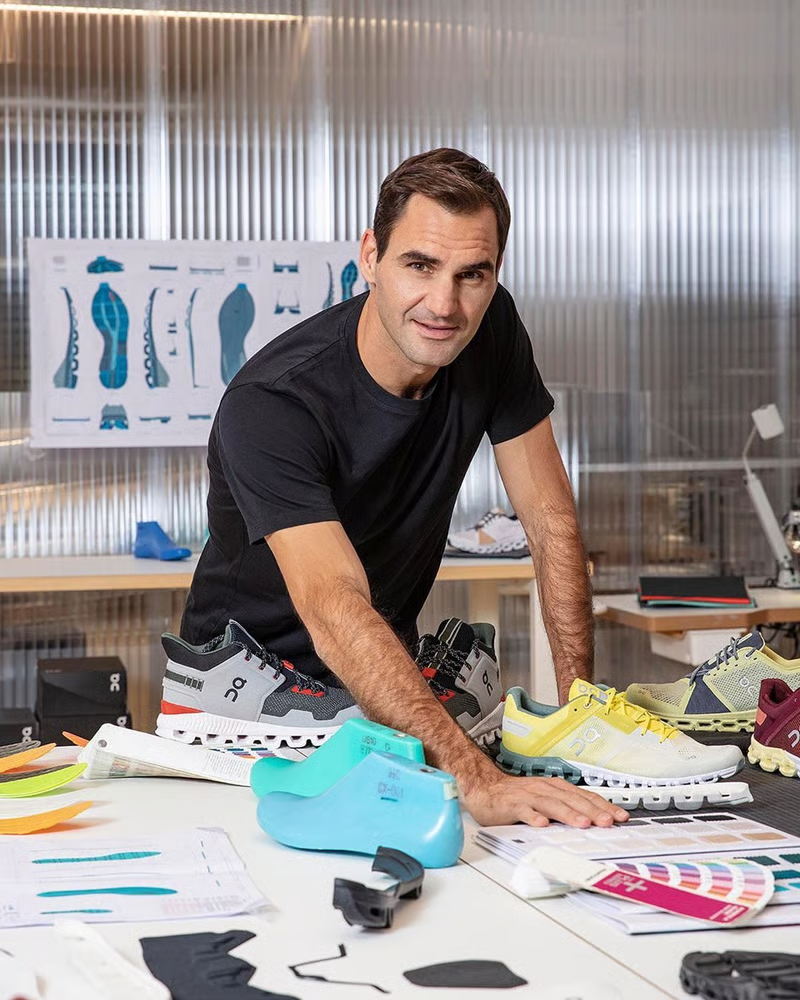
The Federer partnership also had a knock-on effect in the tennis world. Established and rising athletes followed, including Iga Świątek, a six-time Grand Slam champion; Ben Shelton, the first male tennis star sponsored by On and runner-up at the 2026 US Open; and João Fonseca, a young star on the rise who is currently ranked No. 24. Building with Federer first and giving him trust and creative freedom brought credibility, and relationships with a new crop of players. These same principles are now being used to enter the global football market.
On’s own numbers suggest the approach is paying off. In its second-quarter 2026 results, announced on 11 August, net sales rose 13.5 percent to CHF 850.3 million (21.6 percent at constant currency), and the company reported that global brand awareness had climbed to 30 percent. That does not prove the athlete strategy is the cause, but it shows a brand built on trusted partnerships growing at pace before it has kicked a ball in football.
Mbappé and Henry
The announcement of Kylian Mbappé as On’s first globally recognised football star was met with a great reception on social media. It was made on the premise that On is bringing a new perspective through product innovation, as well as bringing football communities together. On needed the right faces to push its narrative of innovation, creativity and excellence, and among the current crop of male football stars, Mbappé sits at the very summit. A World Cup winner in 2018, he has won trophies with Monaco, Paris Saint-Germain, Real Madrid and the France national team. Add his flair and creativity on the pitch, and he is the perfect image for the brand.
Arsenal and France legend Thierry Henry has also joined On as its new director of football. He has been working closely with the brand since the end of 2025 on its entry into the football market.
Schertenleib and the Dream On campaign
On the women’s side, Sydney Schertenleib represents the future of women’s football, a growing industry within a sports market where, according to a PwC global survey, 91 percent of sports executives expect double-digit growth over the next three to five years. A Swiss international and FC Barcelona player, she joined On in 2025 as an ambassador for training and lifestyle. The latest announcement expands that relationship into football, where she will work with the On team on product development and testing.
She was quoted as saying: “I’ve already experienced how differently On thinks about performance and design, so being part of its journey into football feels really exciting.” She added: “As a player, having the opportunity to work directly with On and bring my perspective into the development process is something really special. I can honestly say, I’ve never felt the ball like I have in the product the team is working on.” This openness tells us again that, in the current climate, athletes want to express themselves creatively with brands and be a bigger part of the picture.
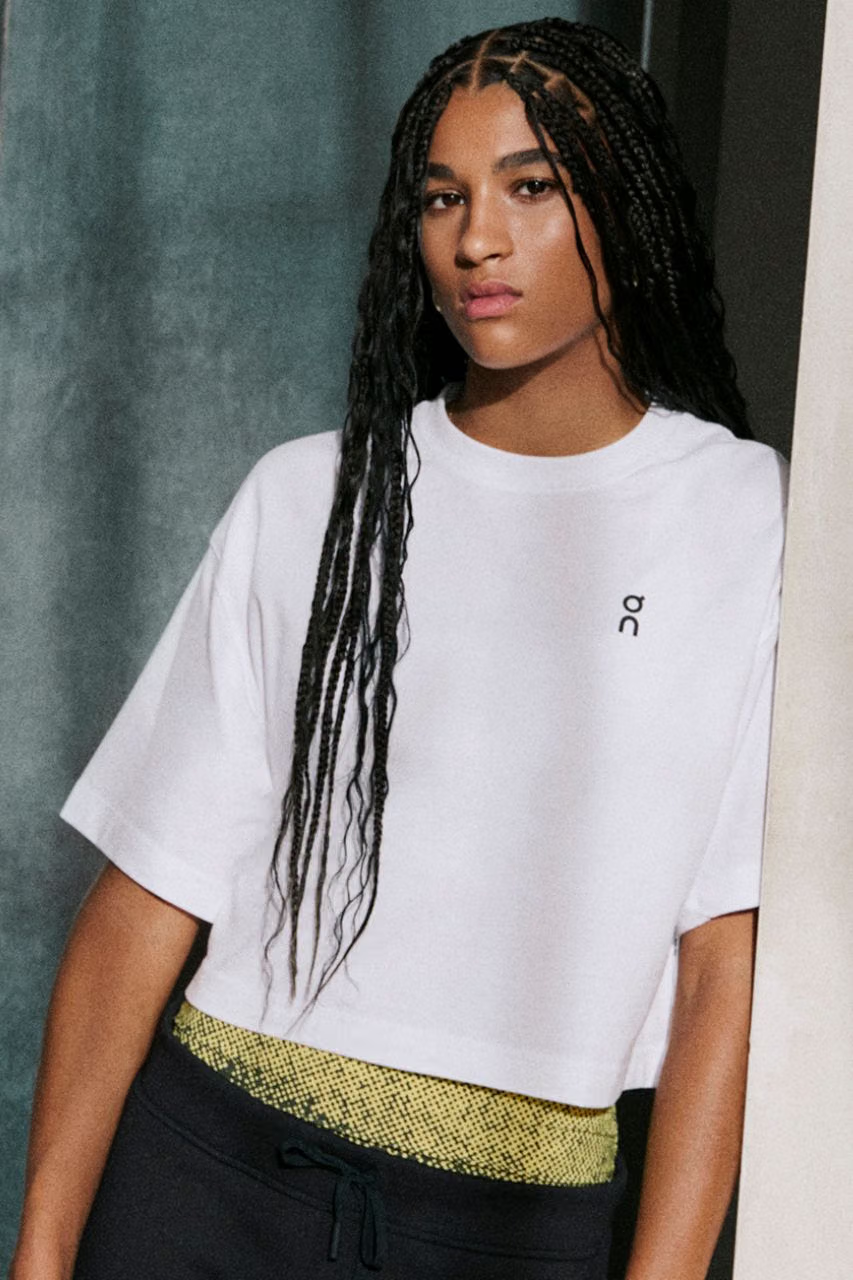
On understands the importance of fostering a relationship between its athletes and the audience it is trying to reach. This is captured in the Dream On campaign with Schertenleib, which speaks to the football community. So many kids and fans with aspirations of playing have a dream, and the message is that if they dream on, they won’t give up, and if they work hard, their goals are reachable. These are relatable words that inspire the next generation, and the present one, to be better versions of themselves. The campaign also features Mbappé and football content creator Celine in a fun challenge of heading a ball at different height levels, showing the fun side and humanity of the sport, and an understanding of the market On is trying to reach.
The Counter-Argument
It would be wrong to say the big three are standing still. Nike, Adidas and Puma have long given their biggest stars signature products and creative input, and they have far larger budgets and distribution than On or New Balance. Creative freedom on its own is not a moat.
What sets the smaller brands apart is that this approach is the whole strategy, not a perk kept for a handful of headline names. It also carries risk. On’s second-quarter sales fell short of analyst estimates, and a brand that leans too heavily on one global star can end up being defined by a single signing. The answer is a small, carefully chosen roster and genuine involvement from people like Henry and Schertenleib, which is exactly what New Balance has been doing for years.
What Comes Next
New Balance has forged a name for itself in the football community, with a core of established and upcoming athletes and a track record of nurturing its relationships. It is still early to tell whether On Football will make a similar impact. The buzz, excitement and curiosity are there. The key question is whether they last.
My view is that On’s test will not be how Mbappé’s signing lands on social media, but what happens after the launch. If On Football stays a Mbappé story, it will be remembered as a signing. If Henry, Schertenleib and a small group of players keep shaping the boots, the kits and the culture around them, On will have built what New Balance already has: athletes who see the brand as theirs.
I also expect the next stage of the co-creation economy to be ownership. Federer did not just wear On, he invested in it, and that stake gave the partnership a commitment no endorsement fee can match. The brands that win in football will offer equity, royalties or formal creative roles, not just bigger cheques.