From Near Relegation to Top Five: Understanding Sevilla's Hot Start to the 2026-27 La Liga Season
Breaking down Sevilla survival last season, financial situation, summer transfers, playing style, and reasons behind current success.
Last April, Sevilla looked broken. Osasuna defender Alejandro Catena had just netted the game winning goal in the 99th minute to leave Sevilla in the relegation places. Sevilla had squandered yet another lead to make it their fifth loss in six matches. With just five matches left in the season, Sevilla looked sunk with little newly hired manager Luis Garcia Plaza, the 12th Sevilla manager in 9 years, could do.
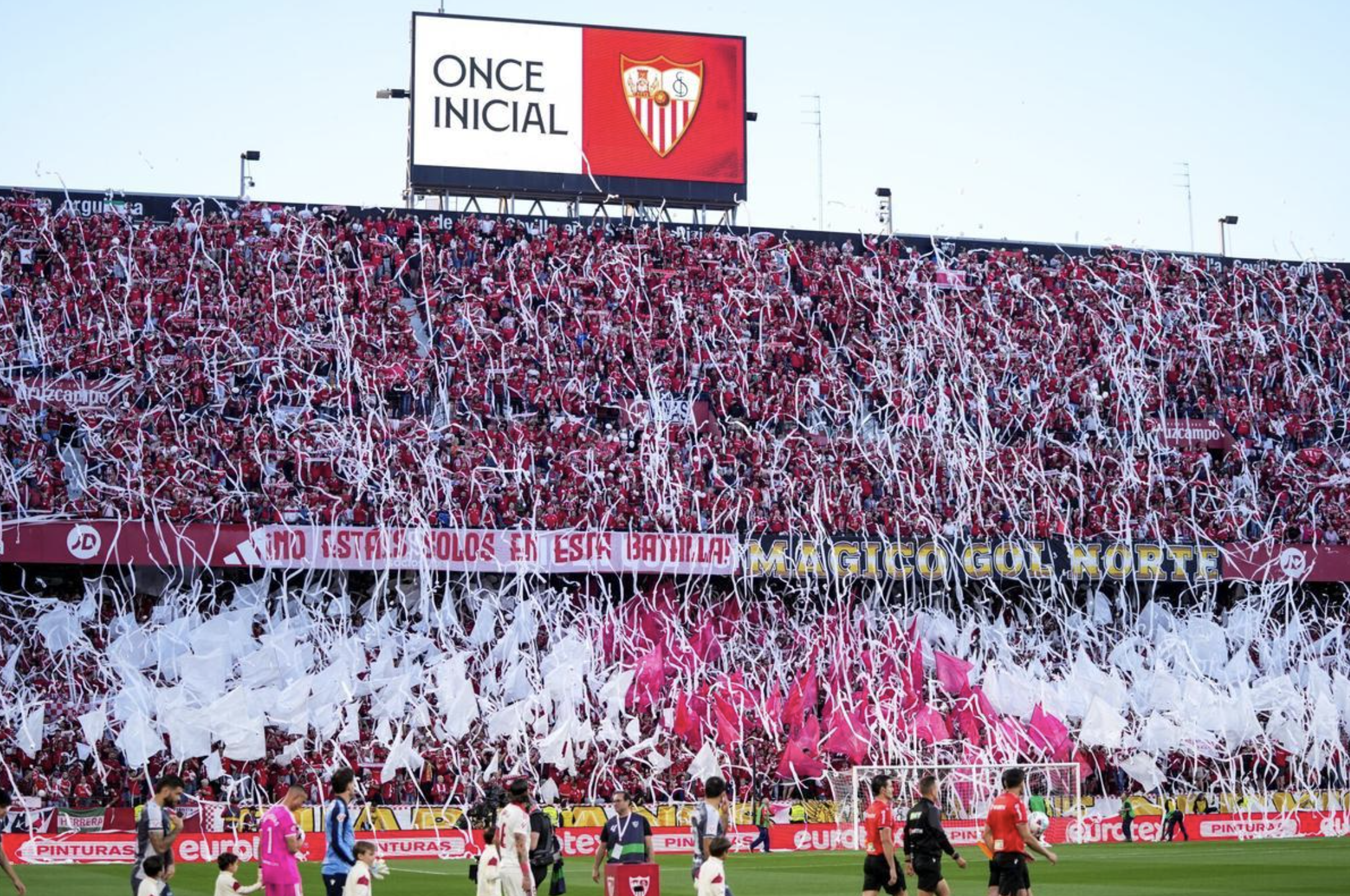
However, an inspired Sevilla, willed by a roaring home crowd at the Ramon Sanchez-Pizjuan, fired back with two consecutive home wins. An dramatic away win which saw the Rojiblancos come back to win after going down two goals early to Villarreal meant permanence was nearly secured almost as soon as relegation was a serious risk. While the season ended with two losses to Real Madrid and a Europe-bound Celta de Vigo, Sevilla had done enough to ensure survival.
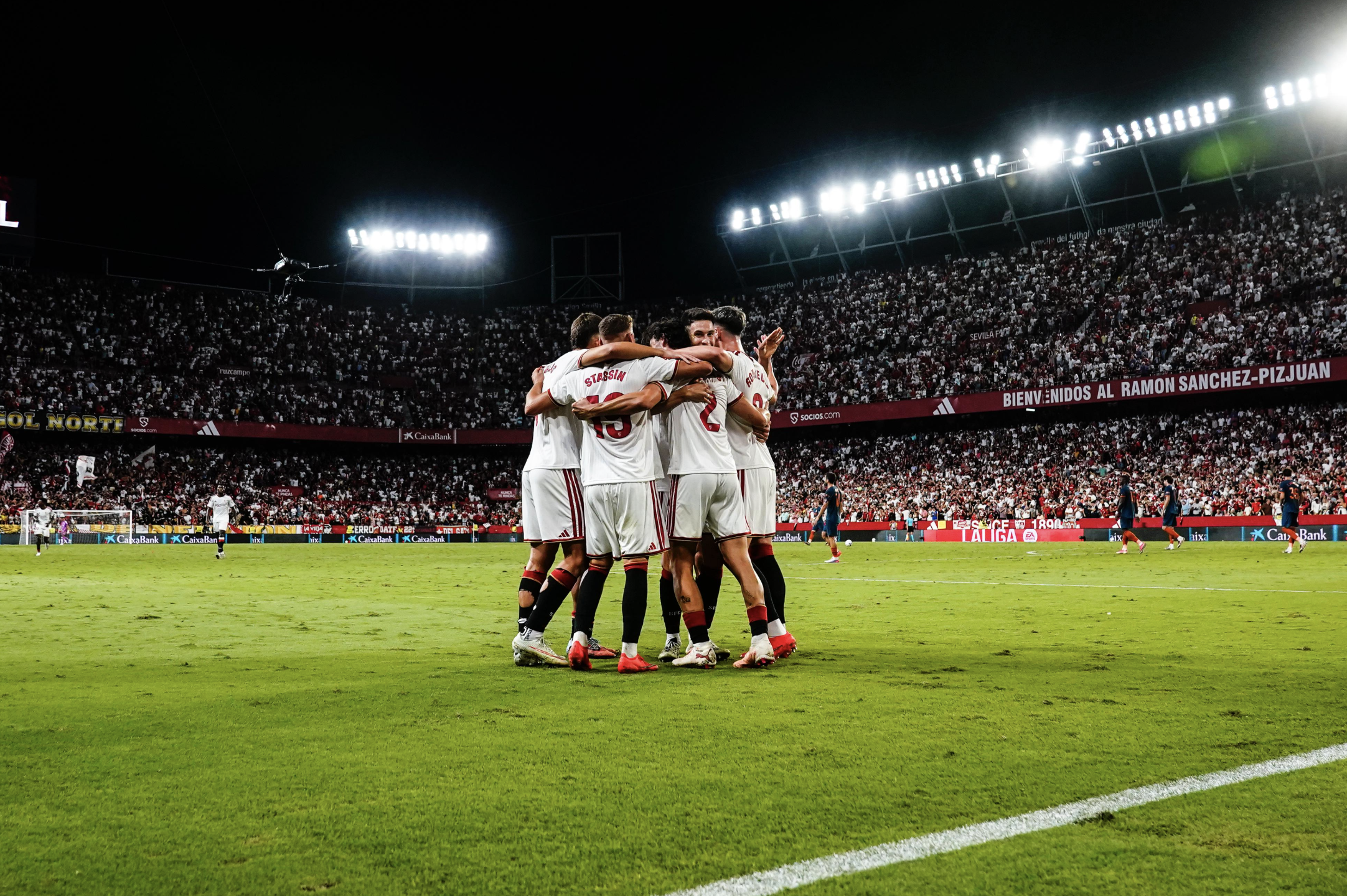
But just five months after their near relegation, Sevilla sit surprisingly fifth in the La Liga table. Their start, which has seen them win 13 out of a possible 21 points, marks their best start since 2022. To understand how Sevilla have enjoyed such a hot start, we must first start by understanding how Sevilla went from winning European titles to falling into relegation battles.
Financial Situation
Although the club miraculously won the 2022-23 Europa League with three managers during the season, the title did little but mask the clubs problems behind the scenes. Failed expensive signings made by Monchi when the club hoped to challenge for an elusive second La Liga title in club history including Rony Lopes (€25 million) and made by the club when they hoped to replace departing stars including Marcao (€13 million) and Tanguy Nianzou (€16 million) had left Sevilla in a state of financial crisis.
Boardroom instability caused by a power struggle between former president José María del Nido Sr. and current president José María del Nido Jr., his son, had left the board of directors split in loyalty, hardly a positive working environment for a club. Missing European football after a tumultuous 2023-24 season meant the loss of important revenue was gone. Rather than accept the changed situation, the club instead continued to spend in a bid to return to Europe, still signing high earning players while debts continued to pile up.
By the end of the 2024-25 season, Sevilla had the lowest salary cap in the top two flights of Spanish football at just €684,000. This led to Sevilla selling €55 million in players and spending €0, signing whoever they could for free ahead of the 2025-26 season.
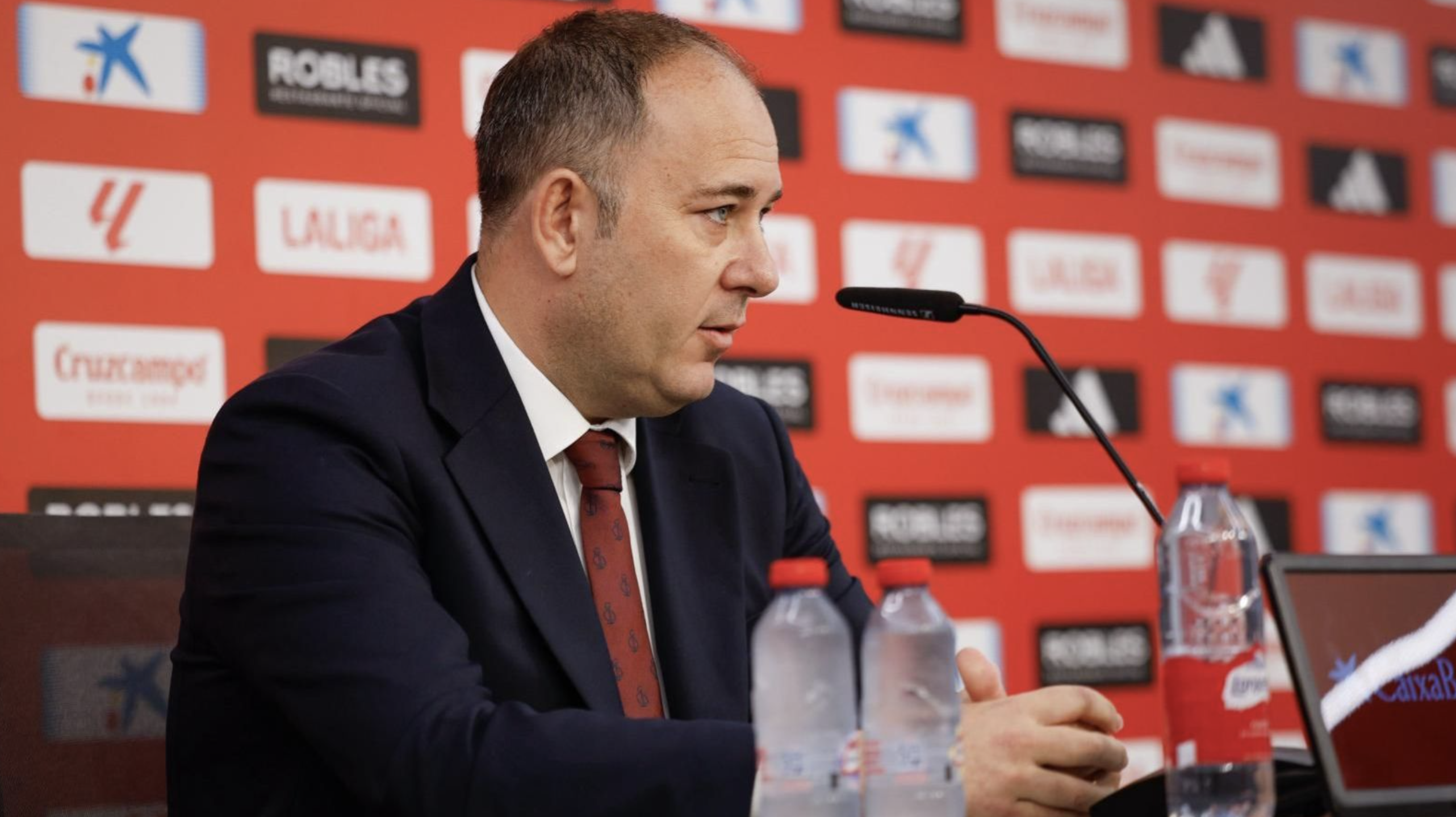
Ahead of the 2026-27 season, Sevilla still recorded the lowest salary cap in Spain at €22.14 million. This meant Sporting Director Jose Ignacio Navarro would have the difficult job of getting rid of high earning players and bringing in low-cost strong reinforcements to a nearly relegated side.
The Summer Window
Outgoings
After three consecutive years of failure and two of near relegation, Ignacio Navarro set about cleaning up the house. To start, Ignacio Navarro did not renew the contracts of captain Nemanja Gudelj, Ørjan Nyland, Adnan Januzaj, and Alexis Sánchez, all high earners in the wage bill. Tanguy Nianzou, signed for €16.00m to replace Jules Kounde in 2022, was let go for no fee. His transfer had been a catastrophic failure due to constant injuries and poor performances.
With Sevilla strapped for cash, the Nervionenses were willing to sell whoever they could to help their financial situation. Top scorer Akor Adams was sold for €17 million and key contributors Juanlu Sanchez and Djibril Sow for €11,2 and €4 million respectively. Joan Jordán, a relic of the previously strong Sevilla squad who had refused pay cuts and rarely played, was moved on for free to the second division of Portugal. Federico Gattoni, who almost never appeared for Sevilla and never quite looked at the level demanded in La Liga, was also moved on to the Italian second division.
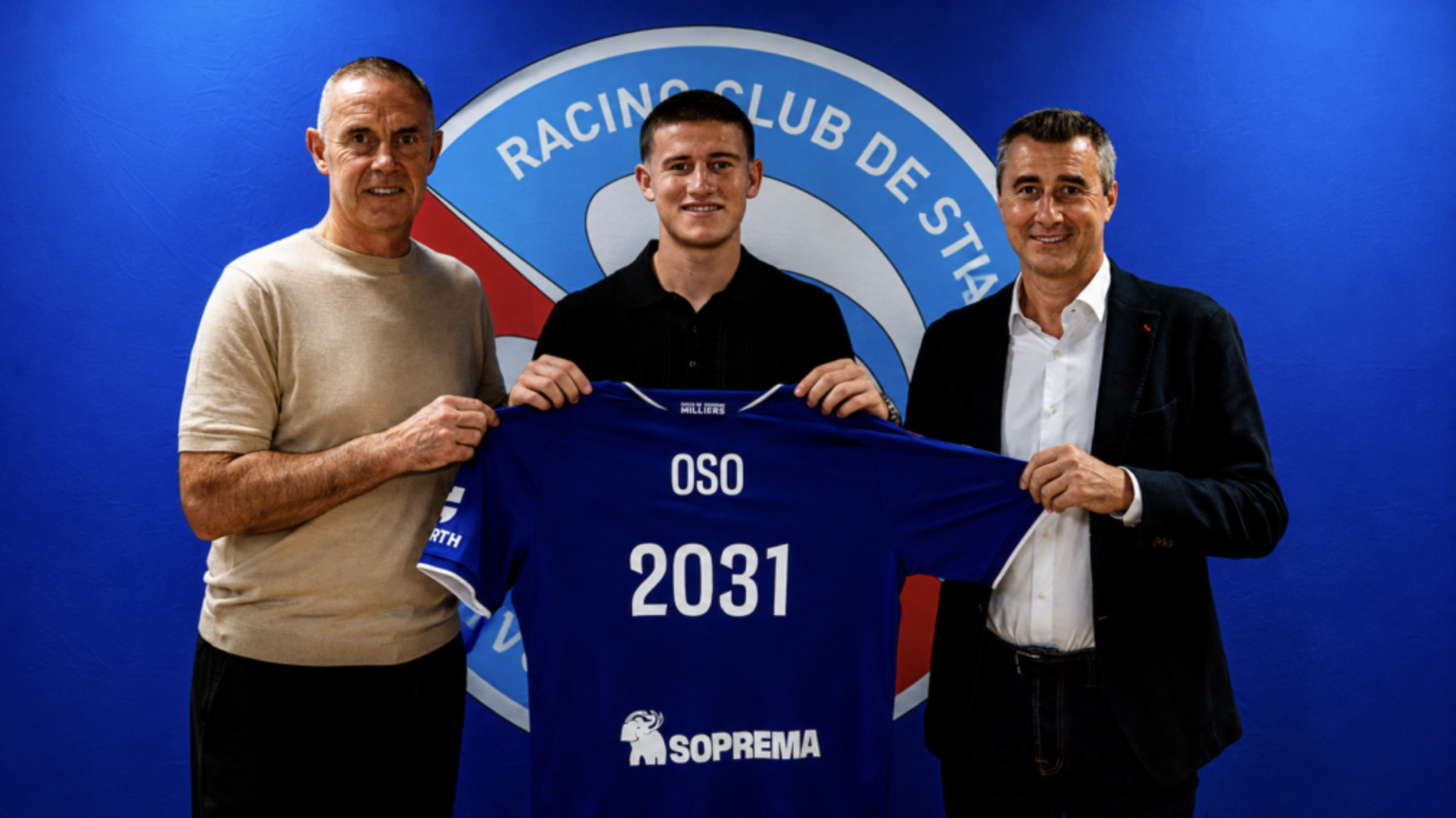
One last twist in the sales was the sale of popular Joaquin Martínez “Oso” to Chelsea BlueCo’s Strasbourg. The left-back/left-winger had endeared himself to Sevilla supporters after his promotion from the B team, playing a key role in Sevilla’s survival. Oso had put in a man of the match performance against Athletic Bilbao in the 2026-27 season and looked set to play a key role this season, before being sold a week later. However, his sale was a necessary one. Contract talks had stalled and Oso’s contract was due to expire in the summer of 2027. Getting €10 million for a footballer who would likely leave for free in the summer was ultimately a deal too good for the financially stricken Sevilla not to take.
Full List of Departures:
- Akor Adams (Venezia, ~€16 million)
- Juanlu Sánchez (Bournemouth, ~€11,2 million)
- Joaquín “Oso” (Strasbourg, ~€10 million)
- Djibril Sow (Genoa, ~€4 million)
- César Azpilicueta (Retired)
- Alexis Sánchez (Free to Montreal)
- Nemanja Gudelj (Free to Getafe)
- Tanguy Nianzou (Free to Lille)
- Rafa Mir (Loan with mandatory purchase to Aris)
- Adrià Pedrosa (Loan to Rayo)
- Joan Jordán (Free to Estrela da Amadora)
- Federico Gattoni (Free to Ascoli)
- Ørjan Nyland (Free to RB Leipzeig)
- Alberto Flores (Free to Granada)
- Adnan Januzaj (Free)
- Neal Maupay (Loan end)
- Batista Mendy (Loan end)
Arrivals
Despite the sales, Sporting Director Jose Ignacio Navarro still had a shoestring budget to work with. Free transfers for Jon Guridi, Juan Iglesias, and Arouna Sangante were made to strengthen the squad with proven top flight experience. Goalkeeper Odysseas Vlachodimos, who saved Sevilla from relegation with key saves, returned on loan.
Youngsters left-back Julio Díaz and goalkeeper Fran González were brought in for €1 million. Low cost bets for the future with expectations to serve as backups behind the more experienced Suazo and Vlachodimos.
After the sales of Adams, Juanlu, and Sow were made, Sevilla had some cash to spend. To solve the loss of Adams, Robbie Ure, who had scored 15 goals in 15 matches in the Swedish top flight for Sirius, was brought in for €5,5 million. Giorgi Kochorashvili was brought in to add experience and quality in the midfield for €4 million.
On deadline day, Lucas Stassin was loaned from Saint-Étienne for €2,5 million, to add a necessary third striker to Sevilla’s squad. Winger Félix Correia was brought in from Lille on loan to give Sevilla a playmaking left winger. Correia’s profile was necessary due to Ruben Vargas’ ongoing injury problems and seeming lack of interest to continue at Sevilla.
The whole summer, it looked like Vargas would leave, linked to moves to Olympiakos, Aston Villa, and a slew of other clubs. Ultimately, he stayed due to Sevilla’s insistence of gaining a higher fee than the rumored offers of €10 and €12 million.
One last twist occurred in the final 10 minutes of the window. Midfielder Youssouf Fofana, who had been linked to crosstown rivals Real Betis, instead signed for Sevilla, offering Champions League quality to a team previously fighting relegation. Winger Miguel Sierra, who gained the trust of Garcia Plaza after being the leading scorer for Sevilla during preseason, was fully promoted to the first team and looked set to gain a starting role.

Full List of Arrivals
- Arouna Sangante (Free from Le Harve)
- Juan Iglesias (Free from Getafe)
- Jon Guridi (Free from Alaves)
- Odysseas Vlachodimos (Loan from Newcastle)
- Julio Díaz (Atlético B ~€1 million).
- Fran González (Real Madrid Castilla ~€1 million)
- Robbie Ure (Sirius ~€6,5 million)
- Giorgi Kochorashvili (Sporting CP ~€4,5 million).
- Félix Correia (Loan from Lille)
- Lucas Stassin (Loan from Saint-Étienne)
- Youssouf Fofana (Loan from AC Milan)
- Miguel Sierra (Promotion from Sevilla Atletico)
Culture Shifts
A lot of Sevilla’s struggles in prior seasons were due to lack of competitive belief. An opposing team would score and heads would drop. The squad gave up countless goals in the dying embers of matches and lacked grit in difficult matches. To change this, Luis Garcia Plaza worked to create a stronger competitive culture led by his two captains.
Chilean left-back Gabriel Suazo was named captain and embodies the team’s culture. Not the most talented, the fastest, the most technical, or even Sevilla’s best player, Suazo only does what he does best, giving 100% every match and aggressively challenging opponents (currently 7th in tackles made in La Liga), offering endless stamina running up and down the pitch. He also embodies Sevilla’s increased aggressiveness, with 15 fouls committed in the first seven matches.
Vice-captain Kike Salas embodies this culture too. The academy product had cemented himself as an automatic starter last season. Salas is an aerial threat in attack and defense (5th in aerial duels won in La Liga), unafraid of standing up to any attackers, or to do whatever is necessary to win a match.
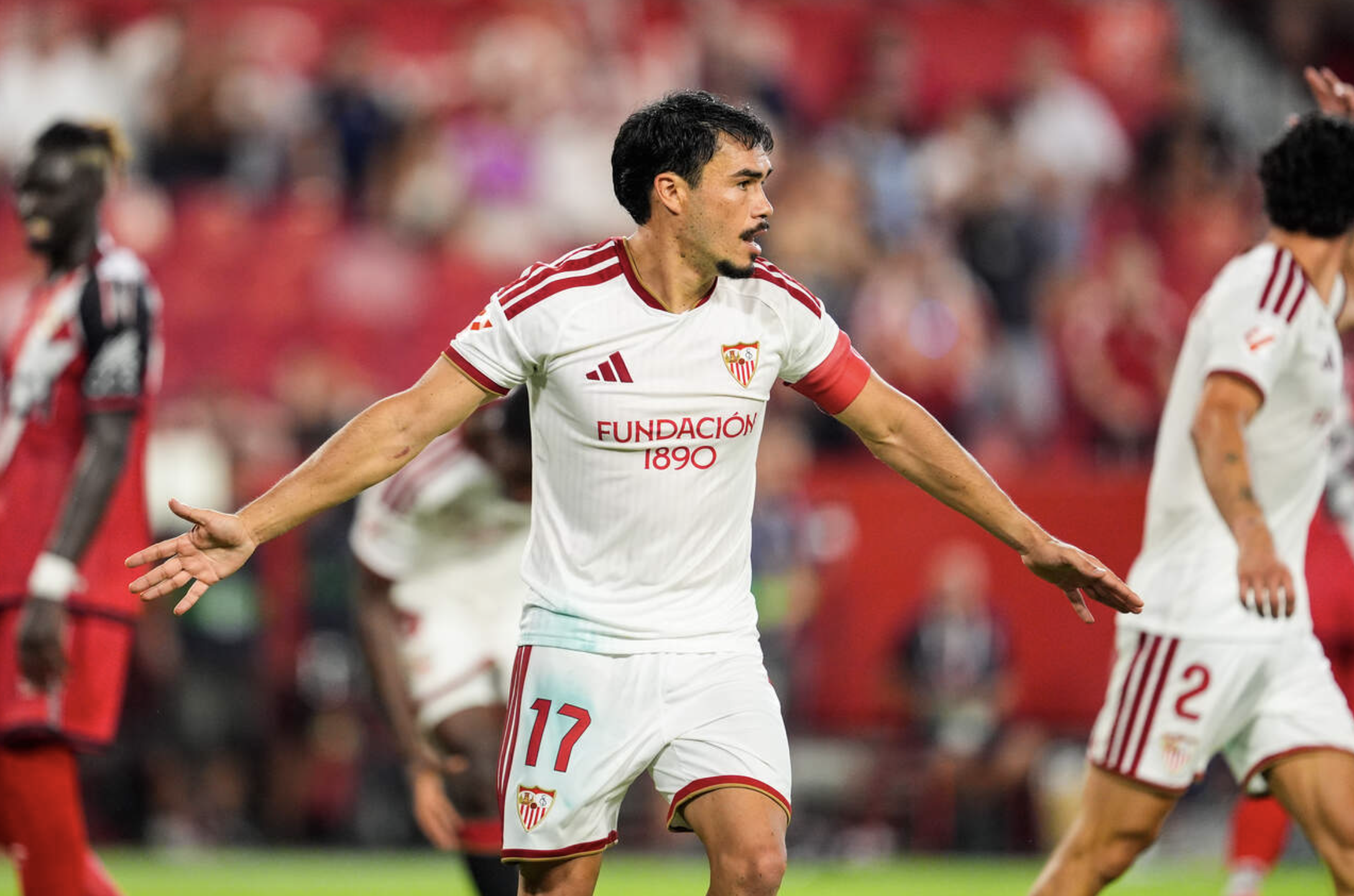
Led by these two captains, Sevilla have looked a completely changed side this season, offering relentless defensive pressure, toughness, and resilience in difficult situations. This was seen in the second match of the season. After going down to ten men against Espanyol due to a dubious red card decision, Sevilla took a surprising lead and nearly won before a last grasp equalizer caused by poor marking left them with a draw.
The intensity which they play with is evidenced in numbers. Sevilla currently leads La Liga in ball recoveries, most duels won in the air and on the ground, and most fouls received.
The rejuvenation of the squad with hunger, younger players with a point to prove has also contributed to the positive shift. Gone are deadweight players like Jordán and Juanzaj, who were established players but past their prime, disinterested, and rarely played.
In their place, shrewd signings like Jon Guridi, Juan Iglesias, and promotions of talent like Miguel Sierra have appeared. Guridi, though experienced, has never established himself at a big club until now. The veteran midfielder is Garcia Plaza’s trusted soldier willing to play as a holding or even attacking midfielder.
Iglesias is a similar case. Signed from Getafe in January on a pre-agreement, the right-back has immediately slotted into the starting XI playing at a high level. Strong in the tackle and comfortable going forward, Iglesias has been a clear upgrade to last season’s right-backs Juanlu and Jose Angel Carmona, who while both stronger attacking, were inconsistent and struggled in defense at times.
Although Garcia Plaza has only officially named two captains, he has worked to ensure everyone feels like a leader. In prematch team hurdles, Garcia Plaza has constantly changed which player is in charge of giving the pre-match locker room speech based on the match. Suazo and Salas have given speeches. But, so have Andres Castrin, prior to an away match against Deportivo de A Coruña, in his native Galicia, and non-native Spanish speakers Odysseas Vlachodimos and Lucian Agoume.
Under Garcia Plaza, Sevilla have recovered home-field advantage. Since his appointment, Sevilla have won 62.5% of all matches played at home and only lost to Barcelona, Real Madrid, and Atletico Madrid. This marks a huge improvement from a Sevilla side that had only won four matches at home under previous manager Matías Almeyda.
Formation and Style of Play
Sevilla typically sets up in a 4-3-2-1 or a 4-4-2. Although Garcia Plaza has publicly stated he prefers to play with two strikers, Sevilla have more often played a 4-3-2-1. “"I like to play 4-4-2, but I also have very good midfielders,” said Garcia Plaza. “I'm not stubborn...where we feel strong right now is midfield. Depending on the match, we'll play with three midfielders or two forwards...that changes the formation for me."
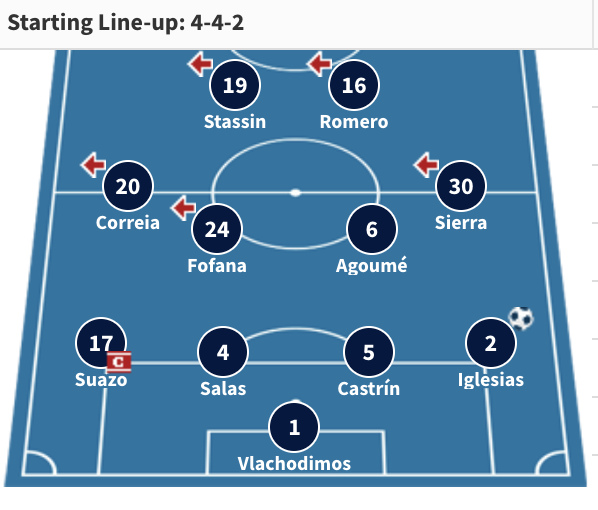
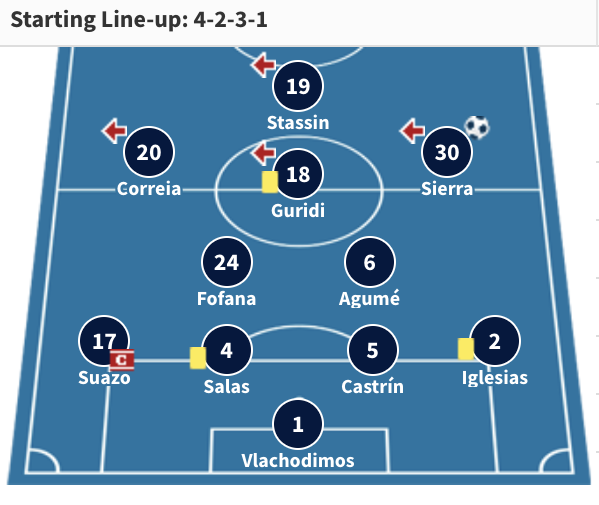
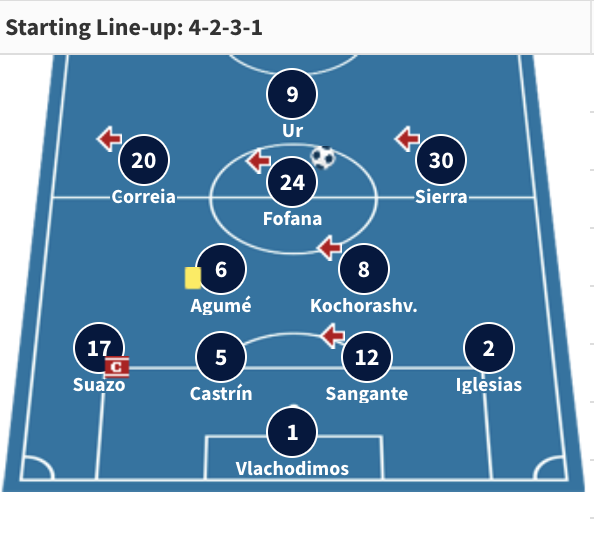
Sevilla Lineups in their last three matches against Valencia (first), Deportivo (second), and Barcelona (third). Courtesy of Transfermarkt.
In buildup, Sevilla maintains three center-backs with left full-back, typically Suazo, dropping back. The right-back, typically Iglesias, is positioned further up either tucked in midfield or out wide. Agoume’s typically the deepest of the midfield trio.
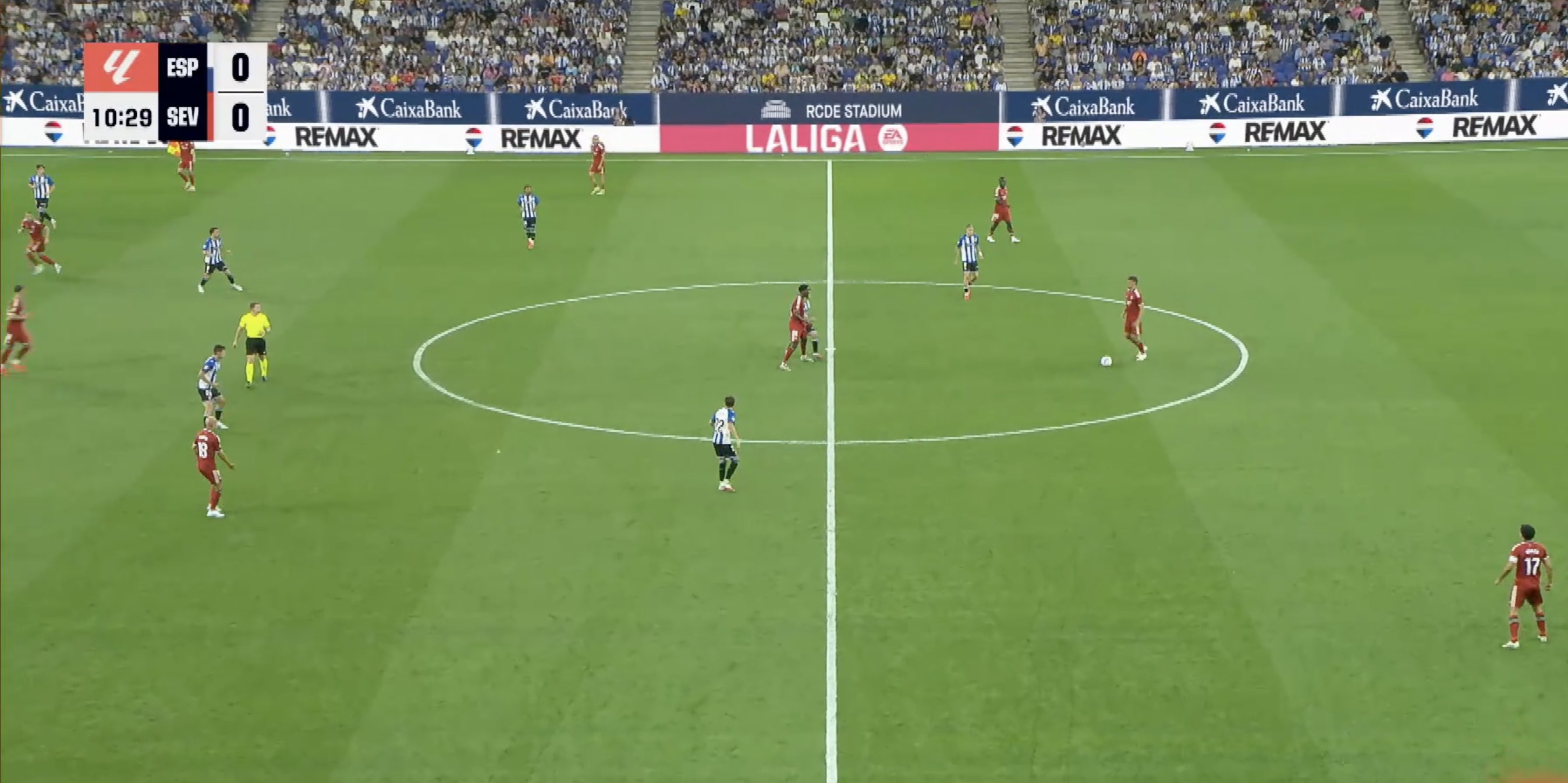
When defending in their own half, Sevilla sit in a compact low block, with most players staying in the central areas and little width. Sometimes the formation shifts to a 4-1-4-1 or even 4-4-2 in defense with a lone striker dropping level with the attacking midfielder to help in defense.
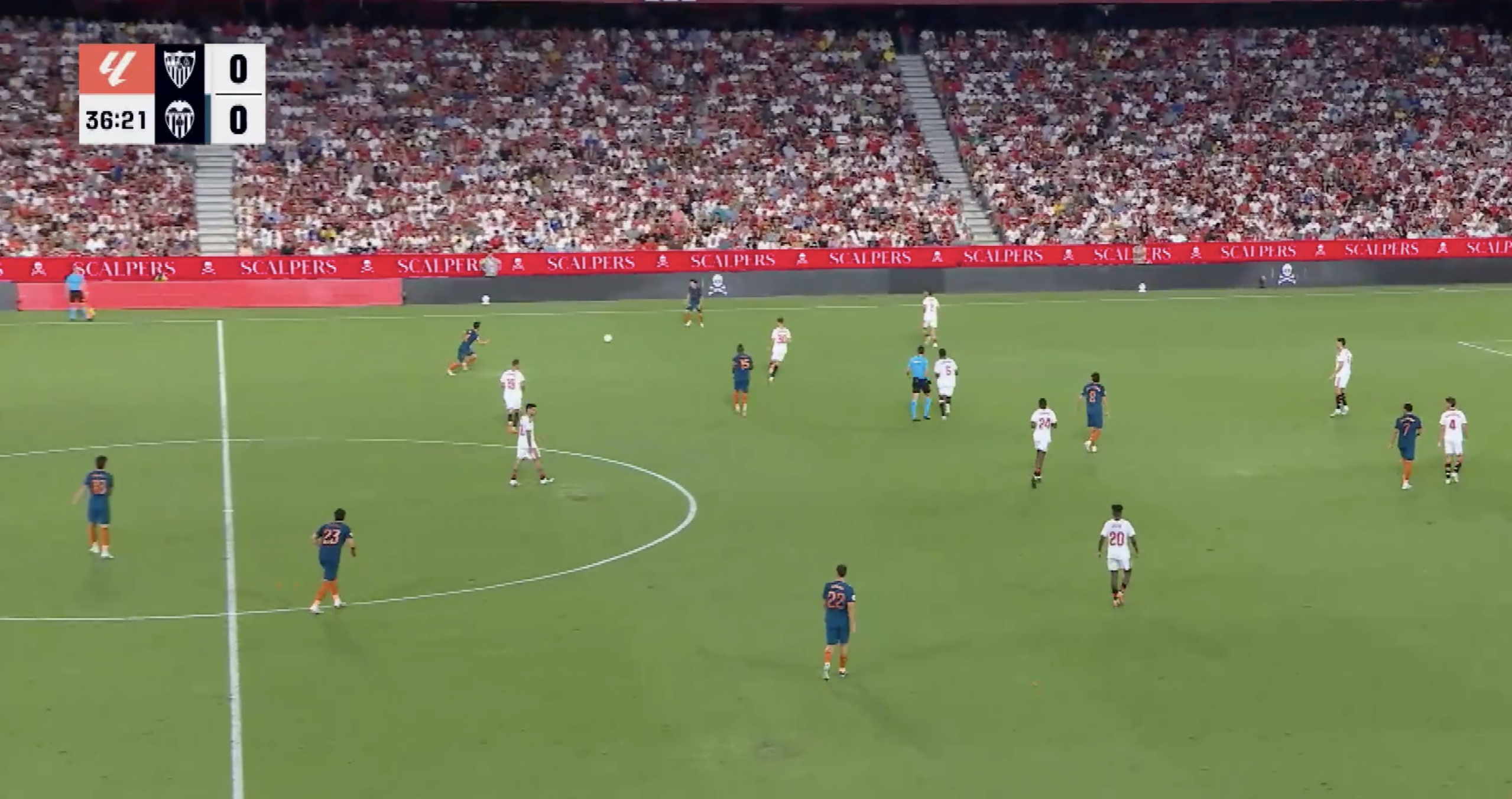
In the middle of the pitch, the midfield trio typically stays compact and looks to pass in triangles before involving the wide wingers or playing the striker to conduct hold-up play. The striker(s) typically come back to offer hold up play or try to win fouls in the opposition half to provide strong set piece occasions for the aerial threats (Salas, Sangante, Stassin, Iglesias, Castin).
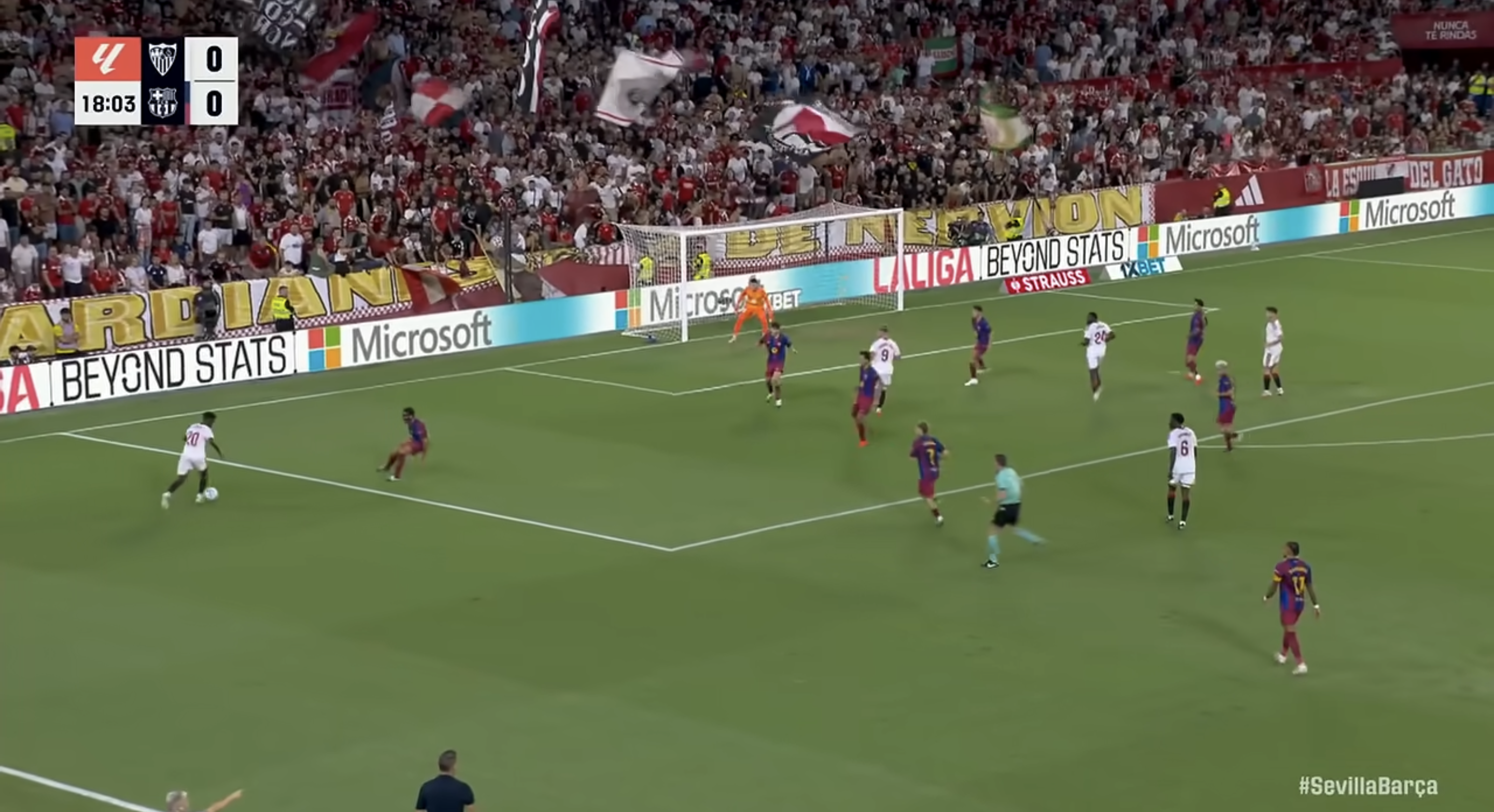
In the final third, Sevilla typically creates from its wide areas. 1v1 situations involving the winger taking on a full-back or 2v2 situations involving the full-back crossing amount to most of Sevilla’s chances from open-play.
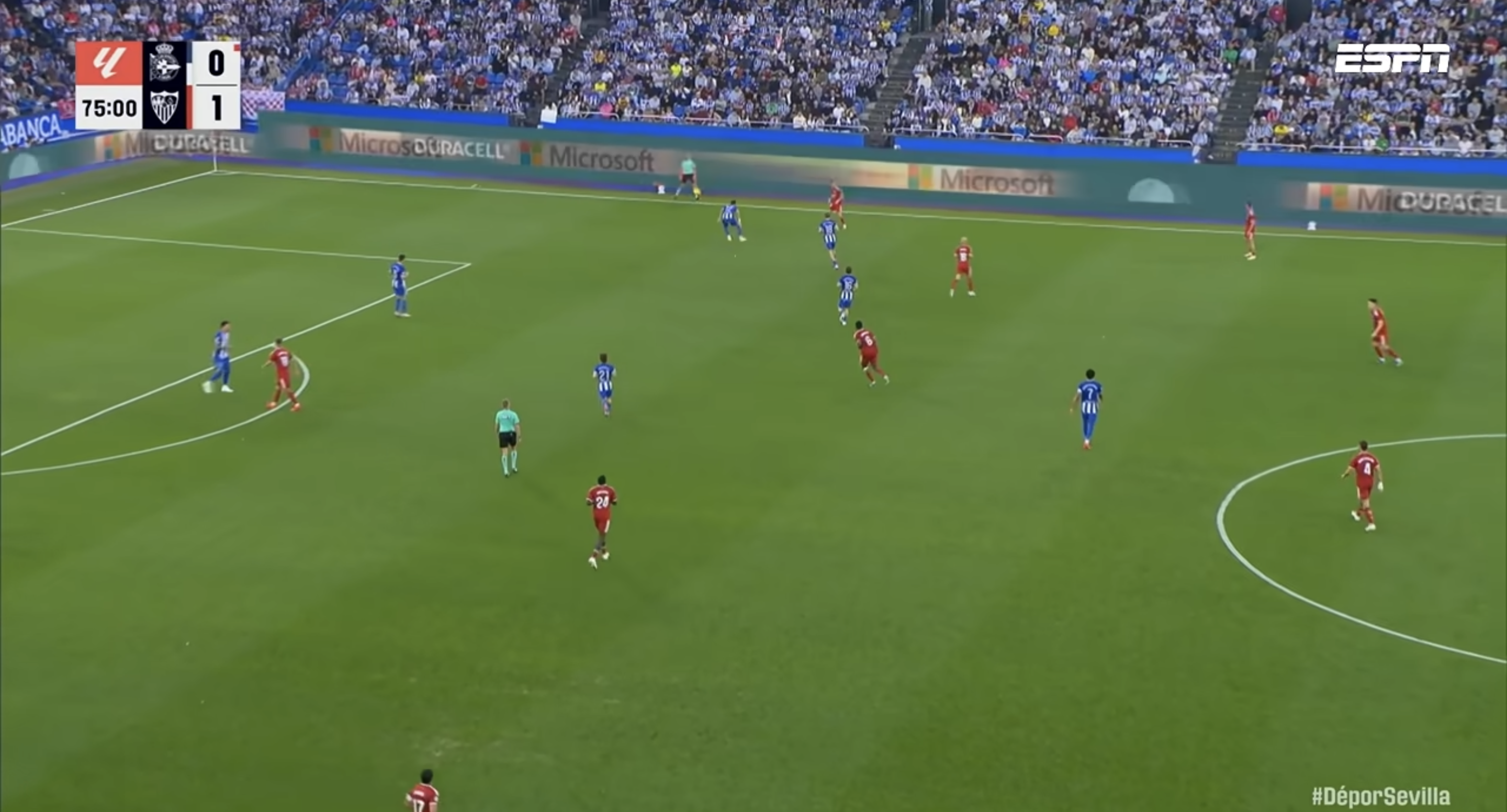
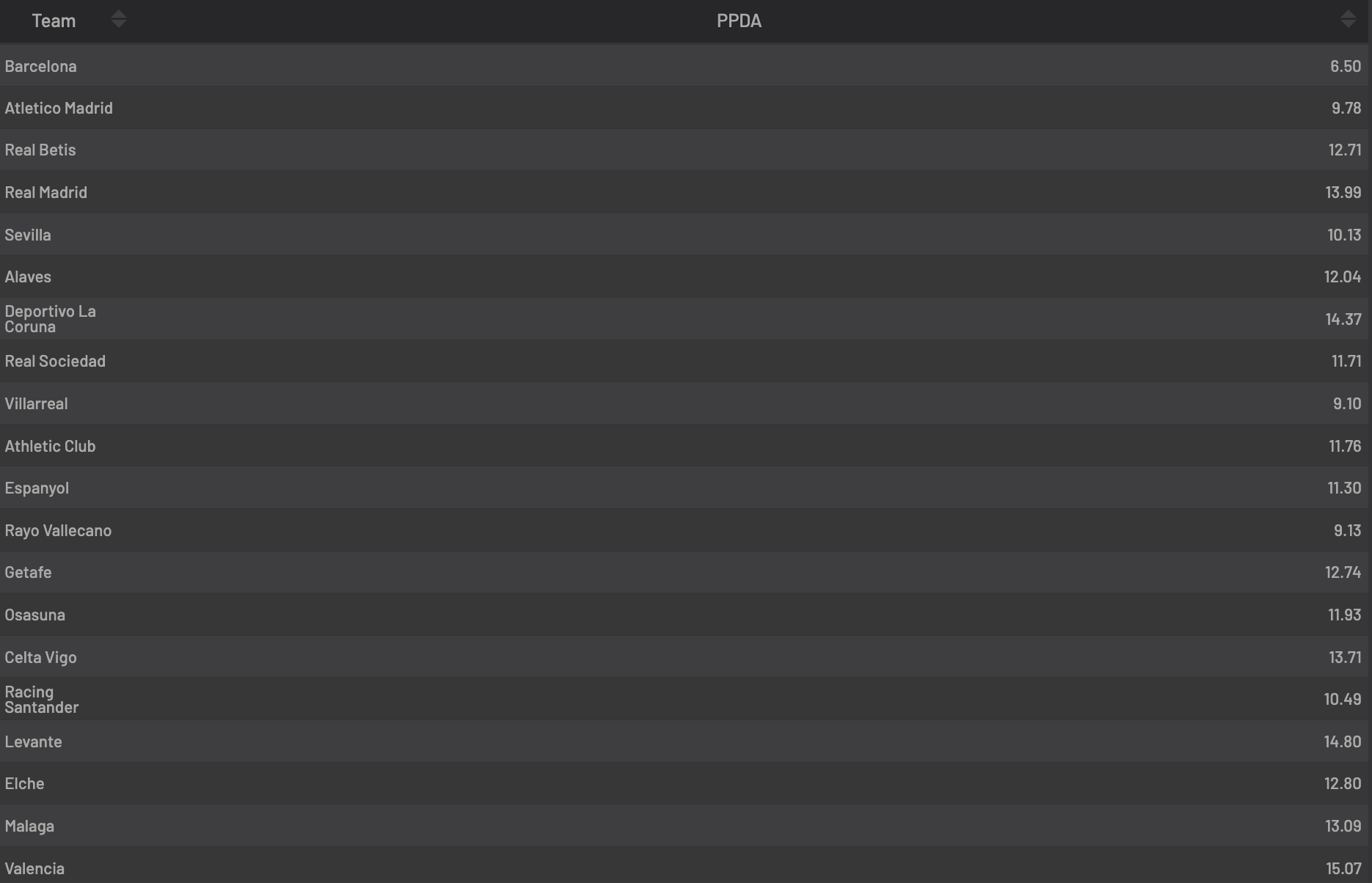
Without the ball, Sevilla intensely press opponents. They are the first division team with the most possessions won back in the final third (145 total, 5.7 per 90). Their intense pressing often leads to fouls with Sevilla sitting third in total fouls per match (14.4) and second in total yellow cards (19). They currently sit fifth in the league for lowest PPDA (Passes per defensive action) allowed, which highlights their aggressive style of pressure to win the ball back quickly.
Sevilla are not a possession based team. The rojiblancos sit 18th in average possession (42.0%) and prefer to attack directly or on the counter.
In attack, there is no consistent source of goals. 9 different first-team players have scored Sevilla’s 10 goals this season. Only one player (Miguel Sierra) has scored more than one.
Defensive Solidity
Last season, Sevilla conceded the third most goals in La Liga. The defense was an open book with a total of 60 goals allowed in 38 matches (1.6 goals per match). This season, the defense has improved considerably. The team sits eleventh in goals conceded with 9 goals allowed in seven matches (1.3 goals per match).
The backbone of Sevila’s defense is Greek international goalkeeper Odysseas Vlachodimos, who undoubtedly saved Sevilla from relegation last season with his consistent ability to make key stops and finishing 11th overall in total saves (89). Although shaky in his first few matches, he has looked more like the Vlachodimos of last season recently.
In front of Vlachodimos, the center-back duo of academy graduates Kike Salas and Andres Castrin has continued their outstanding performance from last spring, where they established themselves as starters. Salas, as previously mentioned, is strong in the air but equally confident passing and progressing the ball.
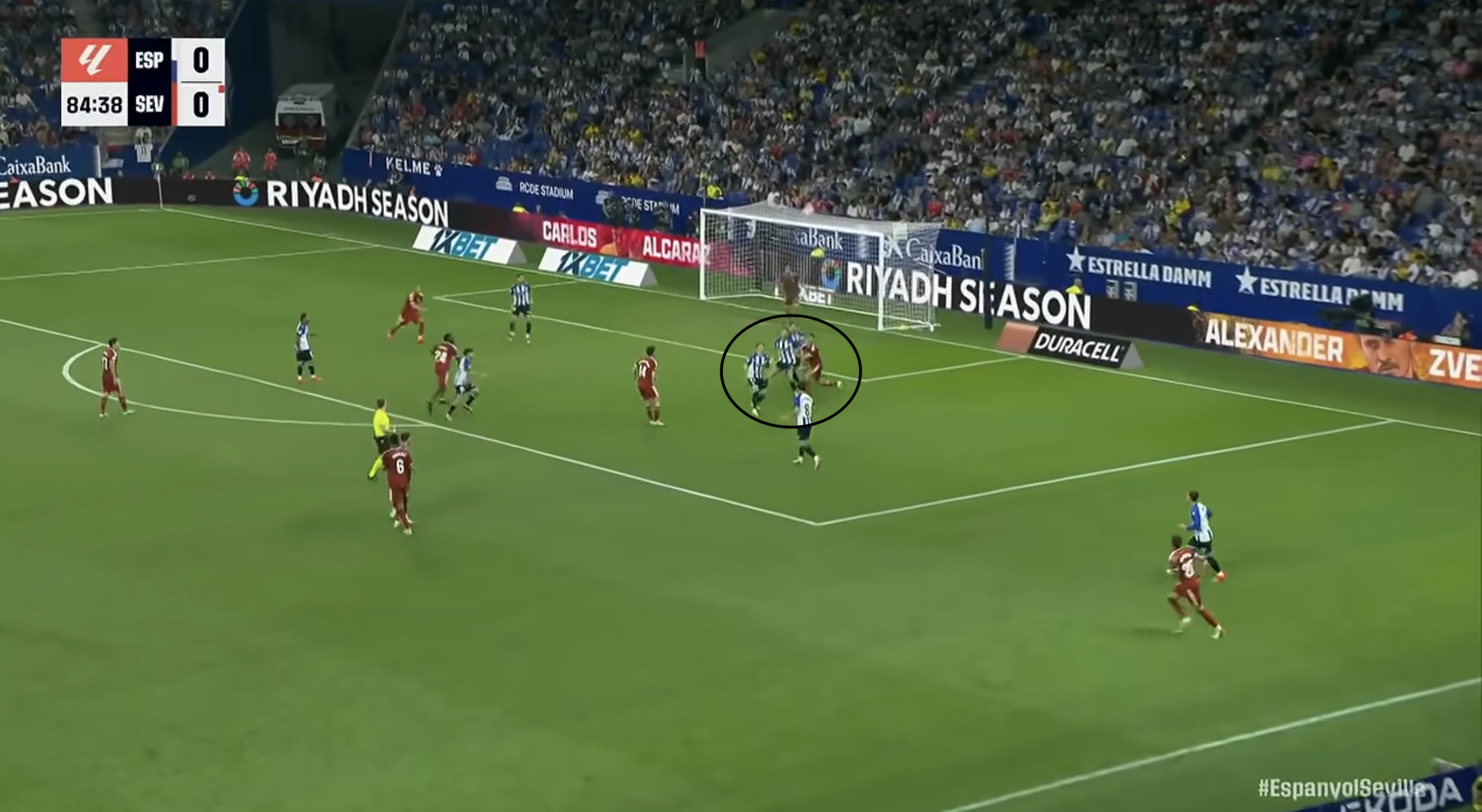
His aerial ability is particularly important for Sevilla from set pieces, as his sheer presence draws defenders and opens opportunities for others. For an example of this, take a look at Lucas Stassin’s goal against Espanyol.
Castrin, not initially the preferred partner for Salas behind new signing Sangante, has worked his way into the preferred starters due to new signing Sangante’s injuries and red card suspensions. Equally confident progressing the ball as defending, Castrin has offered more consistency and leadership than Arouna Sangante, who is still adapting to the demands of La Liga. The native of Galicia has seamlessly adapted to the top flight, having played in the third division for Sevilla’s B team less than a year prior.
Having committed an unfortunate error on his debut, been shown a red card, and having to miss a game due to injury, New signing Sangante has not had a dream start to life in Spain. Outside of the errors, Sangante has offered encouraging signs with his physical strength and confidence in the tackle but it remains to be seen who will be preferred between him and Castrin.
Neither of the three preferred center-backs are the fastest and can be caught out on the counter. Sevilla have done a strong job limiting this weakness by having defensive coverage from midfield and dropping a center-back deeper.
The aforementioned Suazo and Iglesias have started all seven of Sevilla matches so far as the preferred full-backs. Both offer vital experience for a young defense (Salas is 24, Castrin 23, and Sangante 24) and endless energy. In defensive buildup, Suazo often sits deep as a third center-back while Iglesias tucks inside or spreads wide.
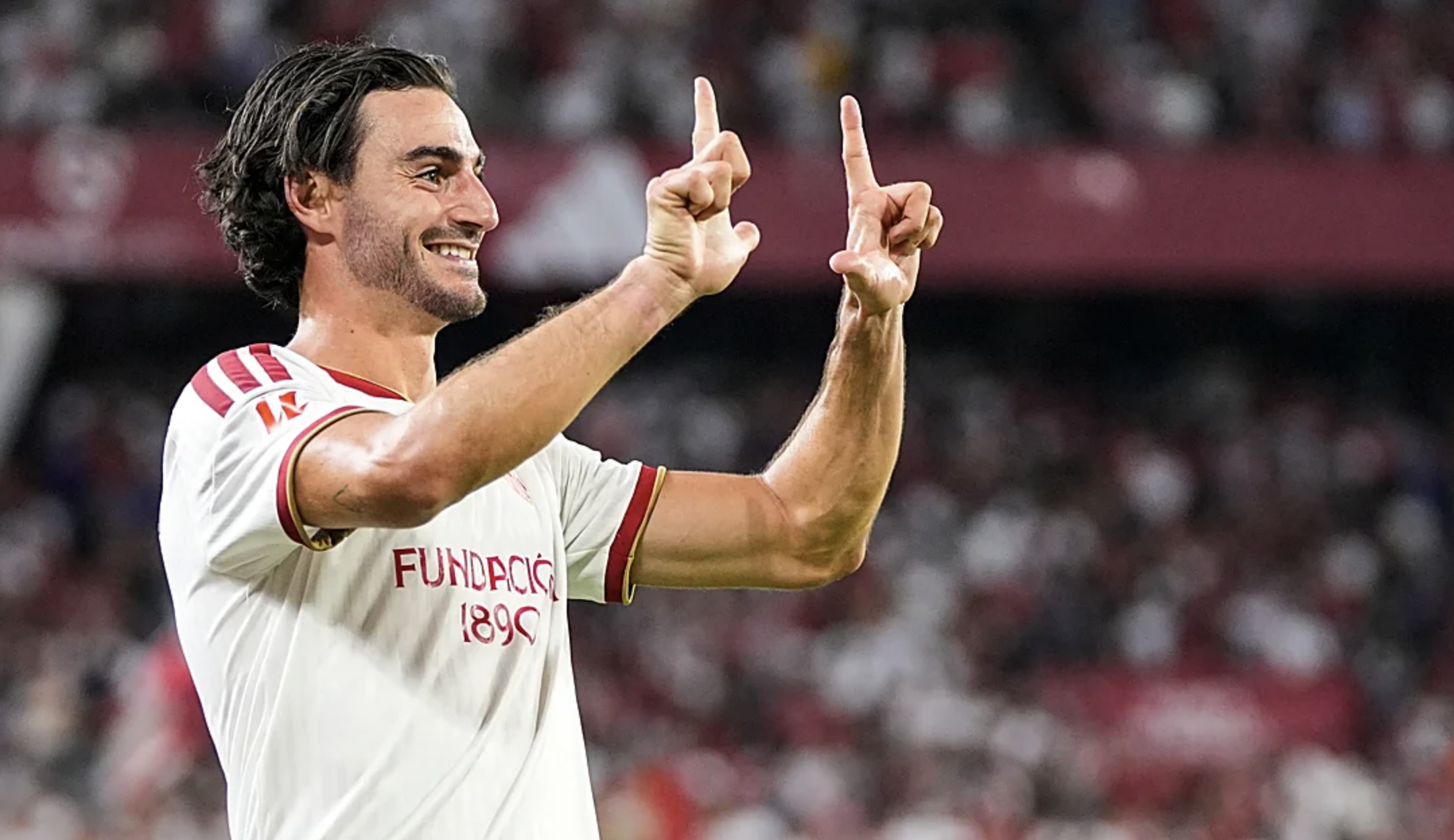
Signed from Atletico Madrid in the summer, left-back Julio Diaz offers energy and versatility to the left side. Comfortable as a full-back or winger, Diaz has been confined to substitute appearances mostly as a winger due to Sevilla’s early season lack of left-wingers. Fast, strong in attack, and a good dribbler, Diaz has not offered as much consistent defensive ability and positioning as Suazo but should still contribute as a substitute to Sevilla.
Homegrown right-back Jose Angel Carmona has gone from playing the third most minutes in La Liga for Sevilla last season (2,565) to the fourth fewest (63) this season. Iglesias’ stronger and more consistent defensive ability has kept the 24 year-old largely out of the side. When given opportunities to play, Carmona has not looked great either. Every time he has been substituted on the pitch Sevilla have conceded, with the defender directly at fault for Espanyol’s late equalizer.
While fast, aggressive, and strong in duels with potential to be a high level full-back, Carmona has lacked defensive solidity and played inconsistently, both unavoidable issues for a Sevilla side which doesn’t score often and where any error could cost the team to drop points.
Midfield Strength
While always a consistent standout performer in the darkest times, French midfielder Lucian Agoume has in particular enjoyed an incredible start to the season. When watching a Sevilla match, Agoume will immediately stand out for tireless stamina and octopus-like quality of recovering the ball. The statistics will match your eye test as Agoume currently ranks second in possession won, fourth in tackles, and ninth in interceptions among all first division players. The French youth international turned down a €30 million bid from Saudi Arabia to stay at Sevilla and there have been a host of rumors linking him with Premier League clubs.
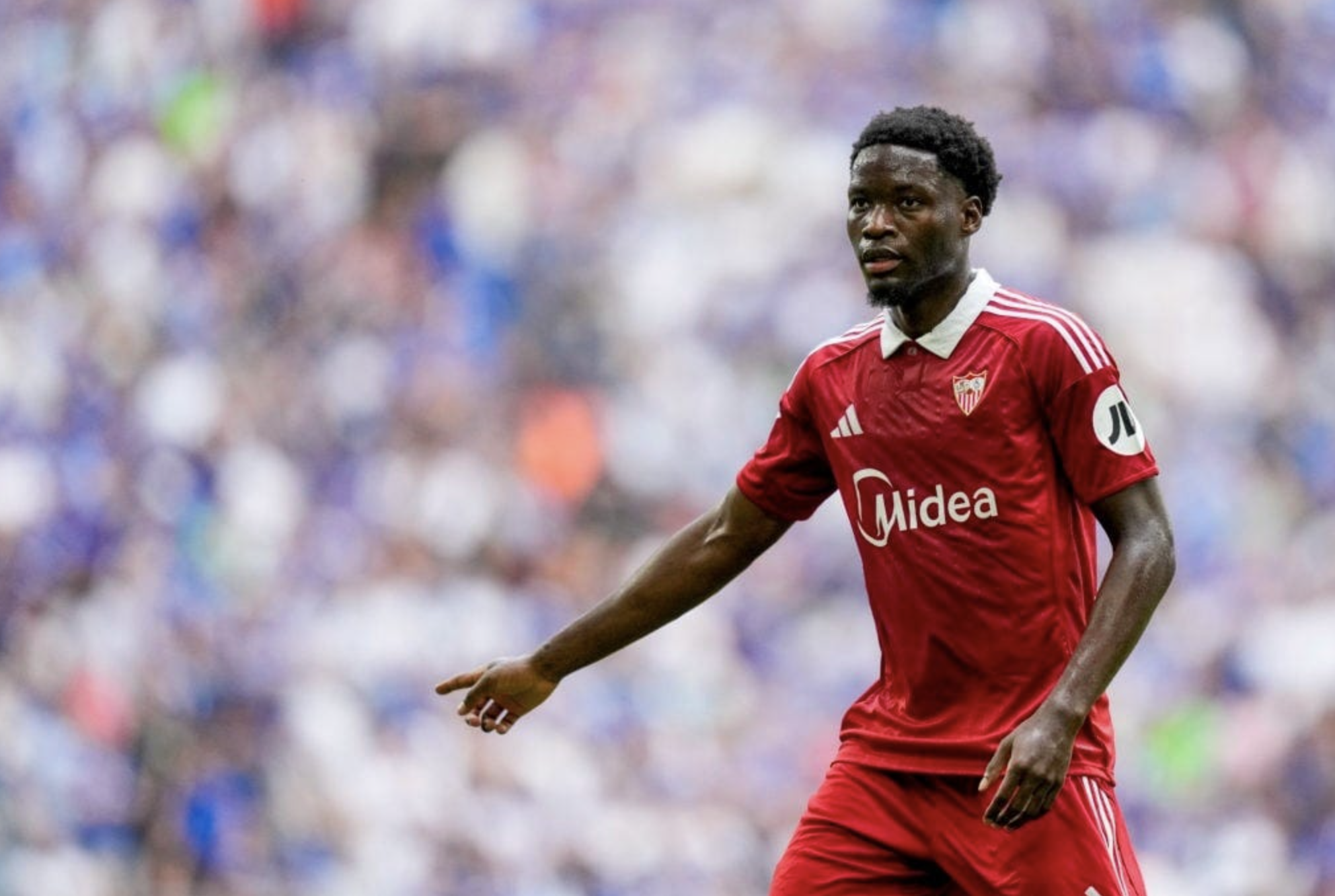
Youssouf Fofana has walked into Sevilla starting lineup and arguably been Sevilla’s signing of the season. The French international is a type of player that would not look out of place in Sevilla’s strongest Europa League winning teams. Beyond his immense quality on the ball, offensive and defensive strength, Fofana has served as an enabler, freeing up space and pressure in the midfield due to his presence and allowing everyone to perform better.
Just like Agoume, he is a possession regaining machine, with the most possessions won in the final third among all Sevilla players (1.9). These two typically start alongside each other, playing as complete midfielders and pressing, regaining possession, and progressing the ball forward across the field. Garcia Plaza has given both freedom as box-to-box midfielders, covering for each other when one is further forward.
The aforementioned Guridi has provided versatility and leadership in the midfield, having previously played a key role under Garcia Plaza at Alaves. Whether coming off the bench or starting, Guridi gives his all. A midfield lieutenant unafraid to do the dirty work, whether making tactical fouls or aggressively pressing.
New signing Giorgi Kochorashvili hasn’t stood out nor struggled adapting to the pace of play. However, he should have a big role to play. Sevilla has often struggled to create chances from open play due to their lack of a true playmaker and relies heavily on set pieces. Kochorashvili offers this valuable quality and has already provided a game-winning assist from a free kick.
So far, Guridi and Kochorashvili have alternated as the attacking midfielder in the three midfielder formation Garcia Plaza prefers to play alongside Agoume and Fofana, although both provide significant work in defense.
Peque Fernandez is the only true attacking midfielder at the club. Signed from Racing Santander ahead of the 2024-25 season after setting the second division alight, Peque has been plagued by inconsistency. At times, he will show details of quality and ability to spot incisive passes. Other times, he will fail to control a simple through ball or waste a big chance.
As a result of the inconsistency, Peque has dropped from frequently appearing to not even playing a minute in the last four matches. However, his profile as the only true attacking midfielder is useful for a club lacking creativity, and he should still play a role until the club finds a stronger replacement.
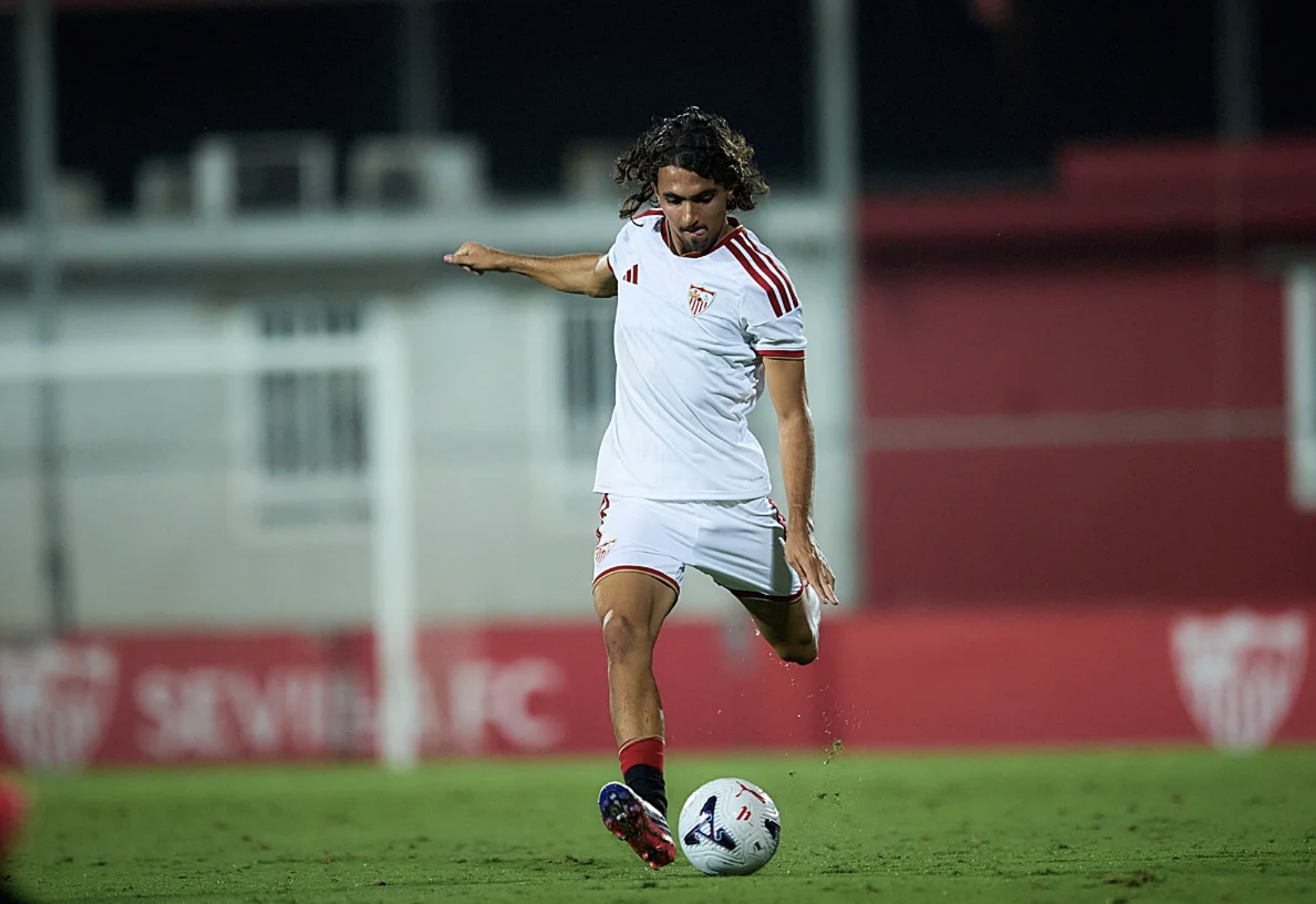
Academy players Manu Bueno and Nico Guillen round out the midfield depth. Bueno is the older, more first team ready of the two, with stronger physical ability, versatility to play as a defensive minded midfielder, ability to play clinical through balls, and threatening shooting ability from distance. Though highly rated, his lack of game-time over the past two seasons has left him looking unconfident at times on the field which has led him to criticism among Sevilla supporters.
Guillen is one of the most talented players at the Sevilla academy and was named to The Guardian’s Next Generation 2025: 60 of the best young talents in world football. Although not physically ready or executing decisions fast enough with less time and space, stood out in preseason due to his incredible passing range.
Both players provide good depth and ability and should appear throughout the season unless the club looks to reinforce the midfield in the winter. Their lack of opportunities are a testament to the midfield being arguably the strongest part of Sevilla’s team. It would be interesting to see either in a deeper midfield playmaking role behind Agoume and Fofana, given their creative qualities, strong vision, and ability to play line breaking passes.
A Fresh Attack
Another area of the team that has undergone massive upheaval in the attack. Three of Sevilla six top scorers from last season departed, including Akor Adams who netted double the amount of goals from any other first-team player.
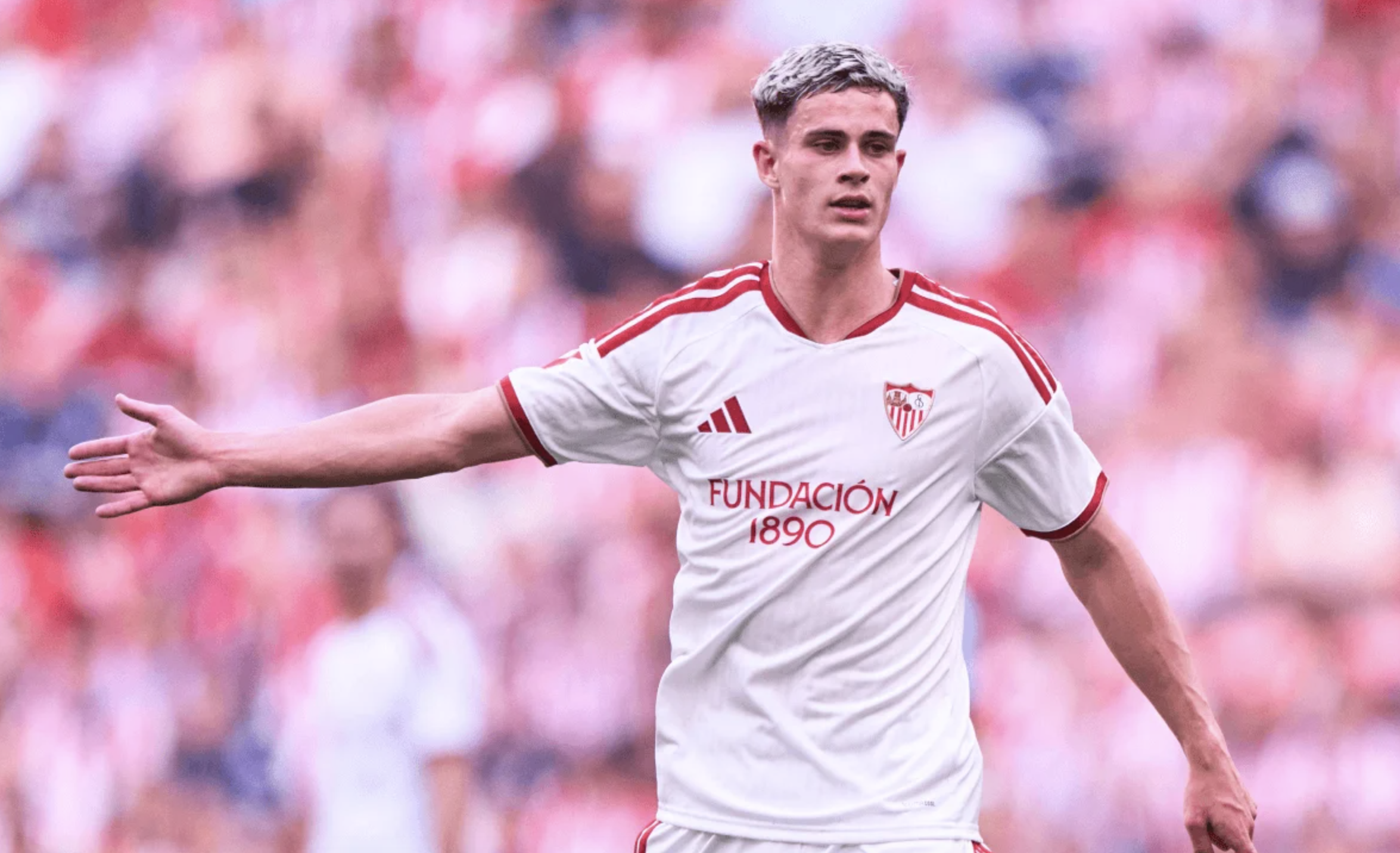
After his necessary sale to balance the books, Scottish striker Robbie Ure was brought in with the hope of replacing him as Sevilla’s #9. The adaptation from the Swedish league to the Spanish top flight is no small step up in level but early signs have been encouraging. Ure had a direct hand in three goals in his first three matches.
In his debut, Ure created danger with his positioning and won a penalty on his debut which led to the game winning goal in a comeback win. In his second and first full start, his pressing directly contributed to a red card. In his third match, he recorded an assist for Sevilla’s only goal of the game. Although he was outclassed by Espanyol's experienced Leandro Cabrera in his fourth match, with Cabrera's strength and game intelligence making Ure look like a fish out of water, Ure’s intelligent movement, strong hold-up play, and attacking instinct is there.
Ure’s problems are his struggle to create separation or his own chances and that sometimes he goes down too easily looking for fouls. Adapting to the heat will also take time. Luis Garcia Plaza himself told the media that Ure told him during training, "The heat is crazy." With the hefty fee paid, Sevilla clearly have belief that he will be their striker of the future, even if he may need time to adapt and not score prolifically this season.
Deadline day loan signing Lucas Stassin has perhaps looked like the preferred striker of the present. With a goal on debut, assist from a mazing run against Deportivo, and more mobility, speed, and ability to create his own shot, Stassin has been more convincing than Ure that he can provide more firepower to Sevilla’s attack now. While not as physically imposing as Ure, Stassin offers strong hold-up play, although it remains to be seen if he can stay consistently fit. The Belgian already suffered a right adductor longus myofascial lesion knocking him out for an anticipated month.
Miguel Sierra, who only debuted in a handful of top flight matches last season, has been the surprise of the season and plays with a hunger to establish himself at the highest level. The left-footed right-winger has left dazzling runs of quality and brings important creativity to a defensive-minded team often lacking in creativity. His youthful confidence currently has him third in duels won, fifth in successful take ons, and eighth in fouls won.
To highlight just how strong his start has been, the young winger sits fourth in highest dribble success rate (60% - 18/30) among all players in Europe’s top five leagues, behind only Yan Diomande, Jude Bellingham, Kylian Mbappé, and tied with Lamine Yamal.
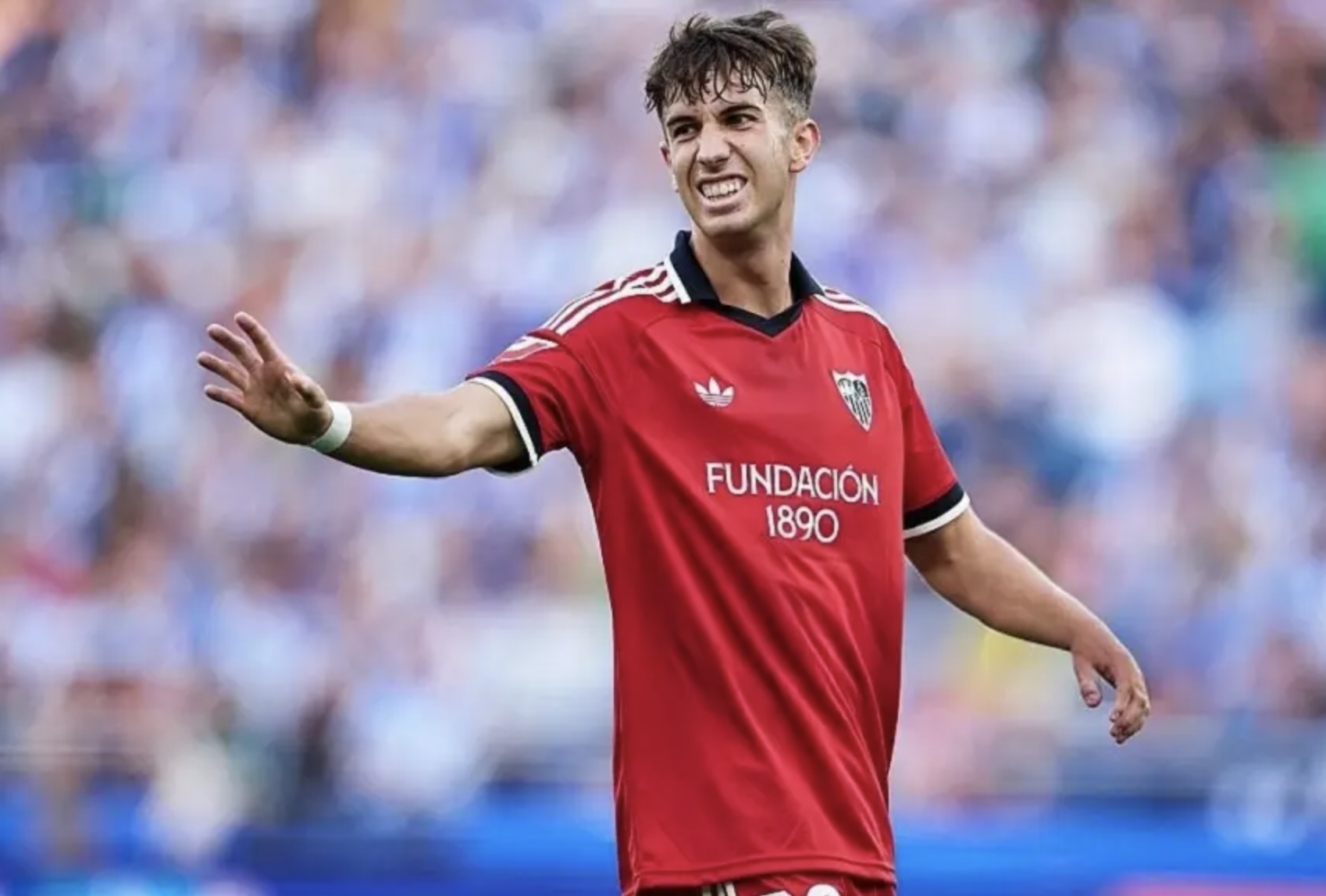
On the left, loan signing Felix Correia has been preferred since his arrival. The loanee from Lille offers strong playmaking quality that Garcia Plaza prefers in wingers and that the team needs without a central playmaker. Last season, the winger recorded 0.25 expected assists (xA) per 90 minutes, placing him in the top 14% of all Ligue 1 players. His creative quality has already been on display in his first three matches at Sevilla, with an assist for Sevilla’s lone goal against Barcelona. However, his weaker dribbling ability may be an issue.
If healthy and willing to play, the left-wing position on paper should belong to Swiss international Ruben Vargas. With 3 goals and 6 assists last season, Vargas was Sevilla’s difference maker in attack, constantly creating danger in 1v1s and on the counter. However, Vargas is injury prone and questions have been asked about his commitment given his summer intention to leave.
Having been spotted training with the first team for the first time since August, there is optimism he can buy into Garcia Plaza’s plan and be a difference maker. Garcia Plaza himself has thrown down the gauntlet stating “Rubén knows that if he doesn't run, he won't play for me.”
A returner who has impressed in his role has been Nigerian winger Chidera Ejuke. Like Vargas, Ejuke was linked with moves away all summer but stayed. His lack of stamina and clinical ability in the final third has condemned him to be more effective as an impact substitute.
But when he’s on, Ejuke is arguably the best attacking substitute in La Liga, dribbling any defender in is way and seemingly impossible to stop. For anyone unconvinced, take a glance at his 35 minute cameo against Atletico Madrid this season or his 13 minute masterclass against Real Ovideo last season.
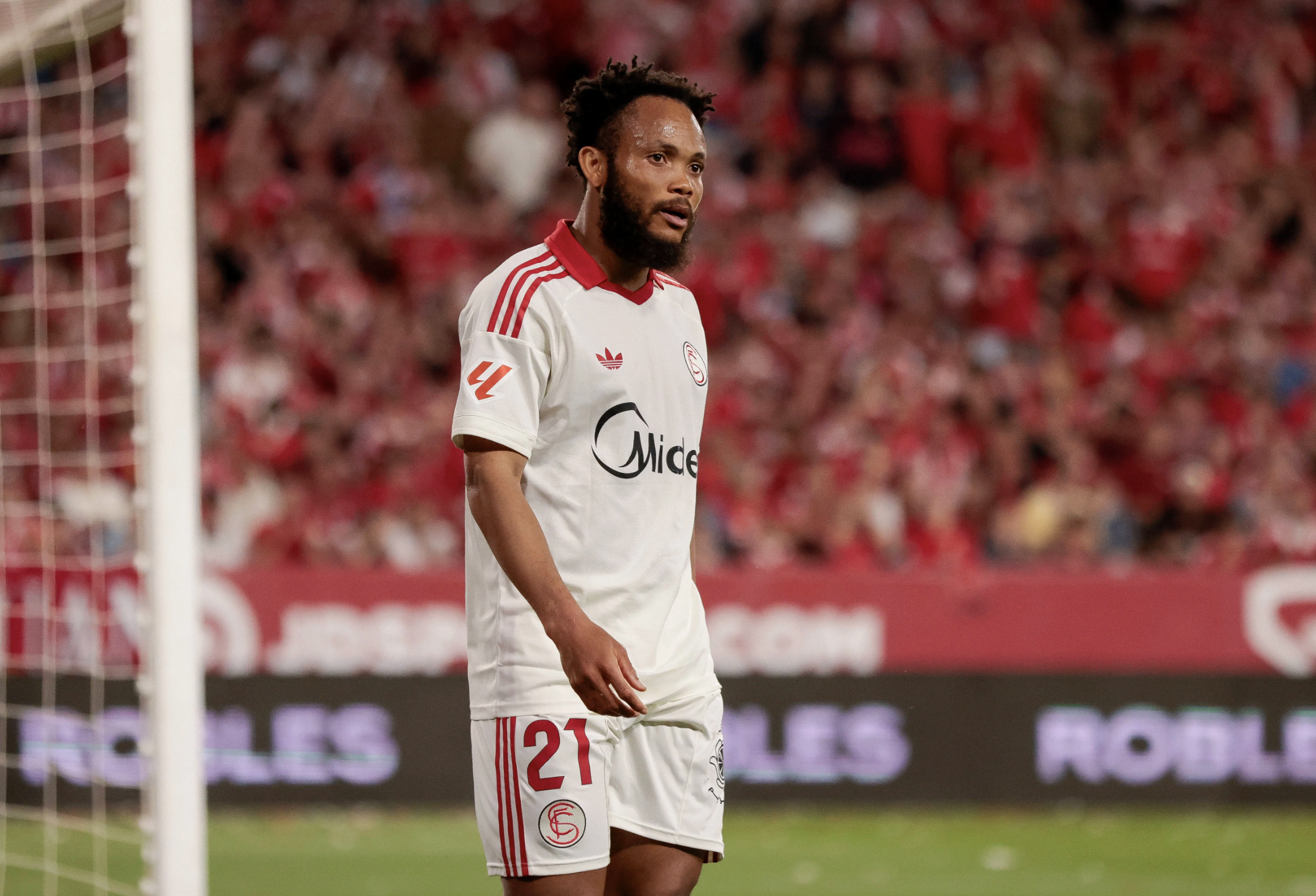
Another return who has carved out an important role in the rotation is Isaac Romero. The academy graduate has struggled to become the consistent goalscorer many hoped he would be since his breakout in 2024. Despite his lack of game intelligence, speed, and clinicalness in front of goal, Isaac provides a persistently hardworking, physical style of play that disrupts defenses.
Garcia Plaza has trusted him as a substitute, often playing alongside Ure or Stassin in a two striker setup. Isaac was most effective in 2024 playing alongside En-Nesyri, and there are hopes that playing alongside a striker partner will help him recapture top form.
The last member of the attack is winger Alfon Gonzalez. The diminutive winger was signed from Celta on a free last season after an impressive first top flight season with 5 goals and 3 assists, but surprisingly quickly fell out of favor and was loaned out to Villarreal in the winter. Injuries and inconsistency in final third decision making have firmly placed him on the bench. However, given Vargas’s injury problems and a lack of other wingers, he has the potential to be a useful impact substitute with his speed and dynamic dribbling ability.
Areas to Improve
Outside of Salas, Castrin, and Sangante, Sevilla has a lack of center-back depth. Marcao has suffered 13 injuries since his €13 million signing from Galatasaray. The Brazilian center-back only lasted 25 minutes on his return from injury in a friendly before being substituted out injured again. Fabio Cardoso, the only other senior first-team center-back, is unregistered in La Liga and it is clear the club is trying to offload him.
Academy players Iker Muñoz and Mario Diaz are the true fourth and fifth center-backs. Although both have potential, neither are quite ready for the top flight yet. Bringing in a true fourth center-back is a priority Sevilla needs to address in the winter, given the lack of depth.
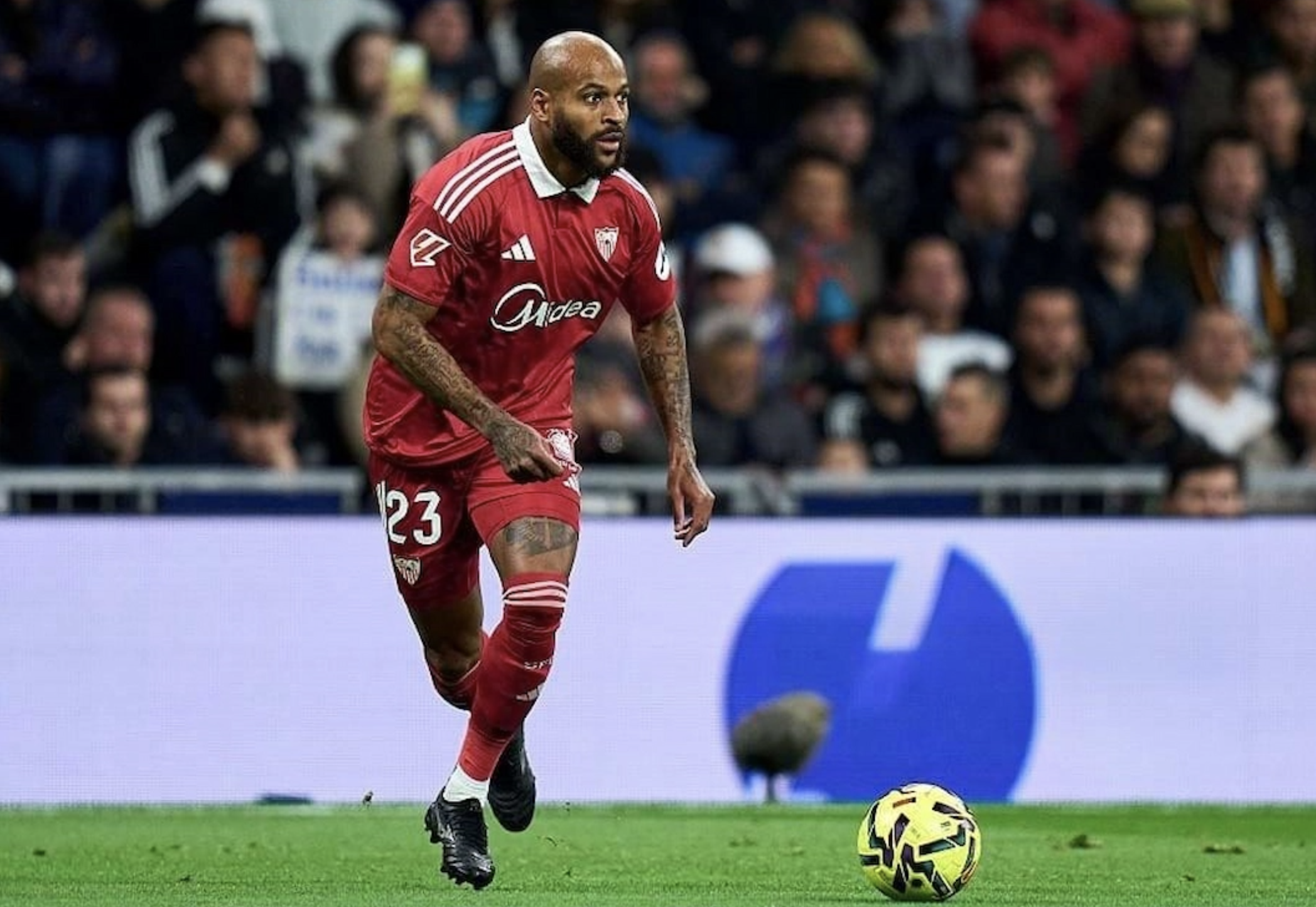
Squad depth can be improved in general during the winter transfer window if departures materialize. Odysseas, Juan Iglesias, Suazo, and Agoumé have played every minute of the season so far and it is inevitable that they will need rest eventually.
Another issue is the lack of final third creativity. Sevilla sit 17th in big chances created as a team with nine. To put this into perspective, the top four teams in chances created have 56, 30, 27, and 24 big chances created respectively. Creating more big chances will be crucial for Sevilla’s success to lower pressure on the defense.
Without a true attacking midfielder, there is a big reliance on wingers to create. The return of Vargas and continued positive development of Miguel Sierra and Felix Correia will be vital. If Vargas continues to stay sidelined, it will be important to sell him in the winter to make space for a playmaking winger.
Garcia Plaza needs to figure out whether the team plays better with two strikers or one. Garcia Plaza has often substituted Isaac to serve as a second striker and started a 4-4-2 with Isaac and Stassin together against Valencia. All three of the strikers may benefit from playing with a partner to relieve pressure and have more space to create their own chances. However, the team may benefit more from playing one striker to give more stability to the midfield. With only three first team strikers, if one goes down injured Garcia Plaza does not have the flexibility to start two.
Between the strikers and wingers, finding a consistent goalscorer is important. Sierra is the only Sevilla player to score more than one goal (top scorer with 2) and none of the forwards have scored more than once (Isaac, Stassin with 1 each, Ure yet to score).
Discipline can also be improved. While it is inevitable that an aggressive side driven by defensive pressure and intensity will foul and pick up cards, Sevilla can improve on fouling less and picking up yellow cards (3rd and 2nd in the league respectively).
Bottom Line
Sevilla’s hot start to the season is no coincidence and a testament to the incredible job Luis Garcia Plaza has done to pull the club out from the depths of relegation to sitting in the top five. Defensive solidity anchored by a buy-in culture of energy, effort, and grit aided by a relentless midfield full of pressuring and defensive running has formed the base of Sevilla’s early season success.
Luis Garcia Plaza’s aggressive, high energy system can wear down players as the season stretches on so chance creation in the final third leading to goals is where Sevilla need to improve in order to avoid close games which can lead to points drop.
Equally aggressive and passionate as the way his players play, Garcia Plaza has endeared himself to Sevilla supporters with his honesty and passion and there is significant hope he can be Sevilla's manager for the future, after a seemingly endless cycle of managers over the last few seasons.
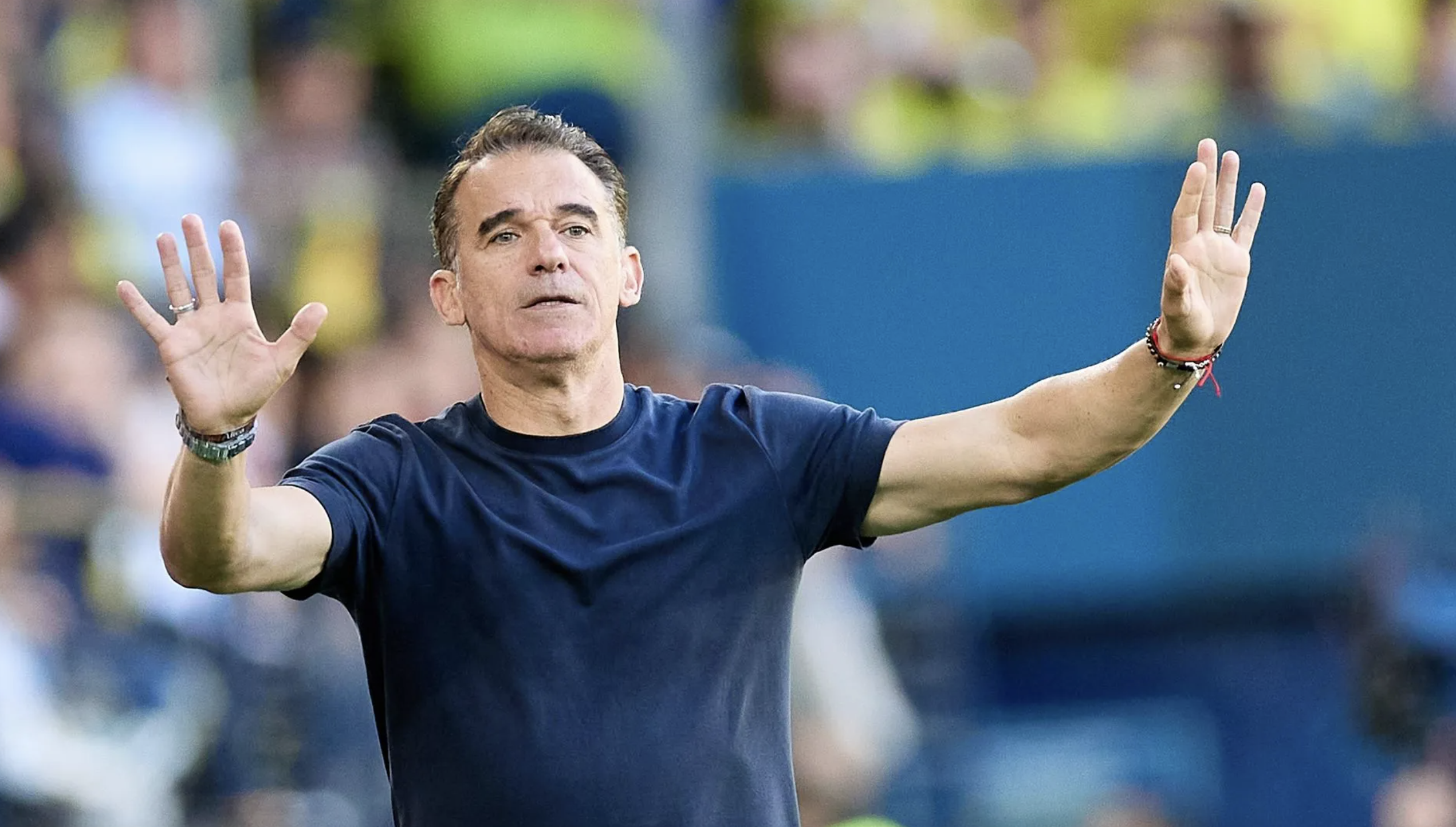
While sitting 5th is a positive surprise, the goal for Sevilla this season on the field is simple: stay clear of relegation and not suffer after last spring’s relegation battle. “The dream is not to suffer…that has to be a goal, not a dream,” said Garcia Plaza.
While the long term goal is to bring Sevilla back to being a team that consistently qualifies and challenges in Europe and at the top of the league, Garcia Plaza and Sevilla have tempered expectations and understand that they must be patient. “This goal of not suffering this year will... involve building something special,” said Garcia Plaza.
Off the field, Sevilla need to ensure their financial situation improves. A sale of the club has been declared in the best interests of the club although no buyer has met Sevilla's requested valuation including bids turned down from legendary center-back and academy graduate Sergio Ramos. Finding a strong recruitment strategy that works will be vital to ensure long-term stability.
Instead of bringing in aging players past their peak, Ignacio Navarro has focused heavily on investing in younger players, possibly with the idea of reimplementing the buy low, sell high strategy which brought so much success to the club during Monchi's time as sporting director.
Regardless of what happens in the long term, Garcia Plaza and Sevilla are taking the season minute by minute, match by match, and will fight every match to inch closer to the goal of inching Sevilla back to the La Liga elite.