Hair Transplants in the UK See Renewed Demand as Patients Prioritise Natural Results Over Quick Fixes
Hair restoration has moved firmly into the mainstream in the UK, with clinics reporting sustained interest from patients who want treatment for hair loss but are increasingly cautious about where and how they have it done.
Once a discreet procedure associated mainly with older men, hair transplantation now attracts a far broader group: men in their late twenties and thirties addressing early pattern baldness, women dealing with thinning along the parting or temples, and patients seeking repair work after unsatisfactory results elsewhere. Advances in follicular unit extraction (FUE) and direct hair implantation techniques have made procedures less invasive, with most patients returning to routine activities within a few days.
The shift in patient behaviour is as notable as the shift in technology. Prospective patients are asking sharper questions — who is actually performing the procedure, how many grafts are realistically needed, what the hairline will look like in ten years rather than ten months, and what happens if the result falls short. Much of this caution stems from the well-documented experience of patients who travelled abroad for low-cost packages and returned needing corrective treatment.
Clinicians emphasise that a transplant is a surgical procedure and not a cure for hair loss. Results depend on the quality of donor hair, the stage and cause of the hair loss, and whether any underlying condition is being managed alongside the surgery. In many cases, a proper consultation concludes that a patient is not yet a suitable candidate, and that medical management or simply waiting is the better course. Industry voices have repeatedly urged the public to check that any clinic is registered with the appropriate regulator and that a qualified doctor is responsible for the procedure from start to finish.
"The patients who are happiest a year later are almost always the ones who were given a realistic picture at the outset," said [Spokesperson Name, Title]. "A good consultation should be as much about what a transplant can't do as what it can. Density expectations, donor area limits, future hair loss — all of it needs to be on the table before anyone books a date."
Aftercare has also come into focus as a differentiator. The first fortnight after surgery determines a great deal about graft survival, and patients increasingly expect structured follow-up, direct access to their surgical team, and a long-term plan for preserving the hair they still have.
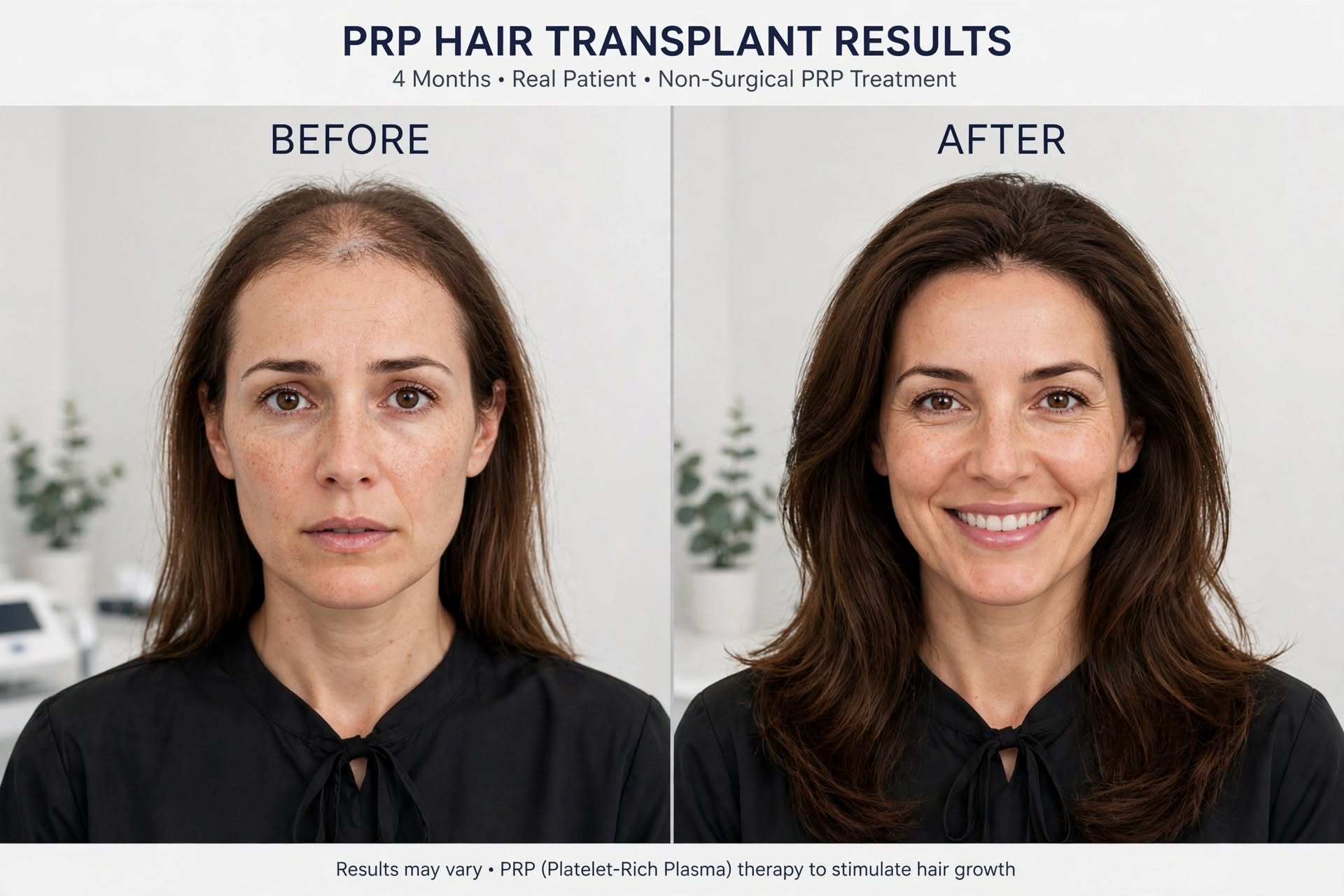
For anyone considering treatment, the guidance from practitioners is consistent: seek an in-person assessment, ask to see unedited before-and-after photographs of comparable cases, confirm exactly who will carry out the procedure, and be sceptical of fixed-price packages that promise a specific graft count before anyone has examined your scalp.
The Skin and Hair Clinic provides consultation-led dermatology and hair restoration services in the UK, with an emphasis on accurate diagnosis, realistic outcome planning, and long-term aftercare. For more information or to arrange a consultation, visit theskinandhairclinic.co.uk or contact info@theskinandhairclinic.co.uk.