Football’s biggest investors might not be buying success
If the real money is made when a club is sold, are owners building winning teams or simply more valuable assets?
Football has always sold dreams, but the latest investment boom suggests some owners are buying something more tangible: an asset that can appreciate in value long after the final whistle.
On the BBC’s Talking Business, sports investment banker Sal Galatioto discussed why record sums continue to flow into sport, identifying its relative resilience to artificial intelligence as part of the attraction. His more revealing observation concerned the economics of ownership: the biggest payday often comes not when a club is purchased, but when it is eventually sold.
That raises an uncomfortable question. If the ultimate objective is a profitable exit, is winning trophies the priority, or simply one way to increase the selling price?
The American model offers investors a degree of protection that European football cannot. NBA franchises operate within a closed league, where poor performances do not threaten relegation. Scarcity, lucrative broadcasting agreements and the global appetite for sport can make ownership attractive even when a team is struggling competitively. European clubs face a different calculation: relegation can devastate revenues, while expensive recruitment mistakes can take years to correct.
For investors, however, sporting success and financial appreciation are not necessarily the same thing. A club can grow its global following, commercial revenues and valuation without consistently challenging for major honours. The danger emerges when those objectives begin to compete.
A more valuable football club is not necessarily a better football club.
Manchester United illustrates the distinction. INEOS entered the club in 2024 promising greater footballing competence and a more disciplined operating structure. Yet, as of late October 2026, United find themselves 16th in the Premier League, one point above the relegation zone, following an eight-match winless run that has placed manager Michael Carrick under severe pressure. Financially, the picture is strikingly different: United reported record revenue of £677.6 million for the 2026 financial year, despite a pre-tax loss of £43 million.
The contrast exposes the limitations of treating commercial scale and operational restructuring as evidence of sporting progress. United possess a globally recognised brand, enormous revenues and the resources to compete with almost anyone, yet these advantages have not translated into a consistently successful football operation. The question is not whether INEOS wants to win, but whether its decisions across recruitment, management and leadership form a coherent strategy capable of delivering sustained success.
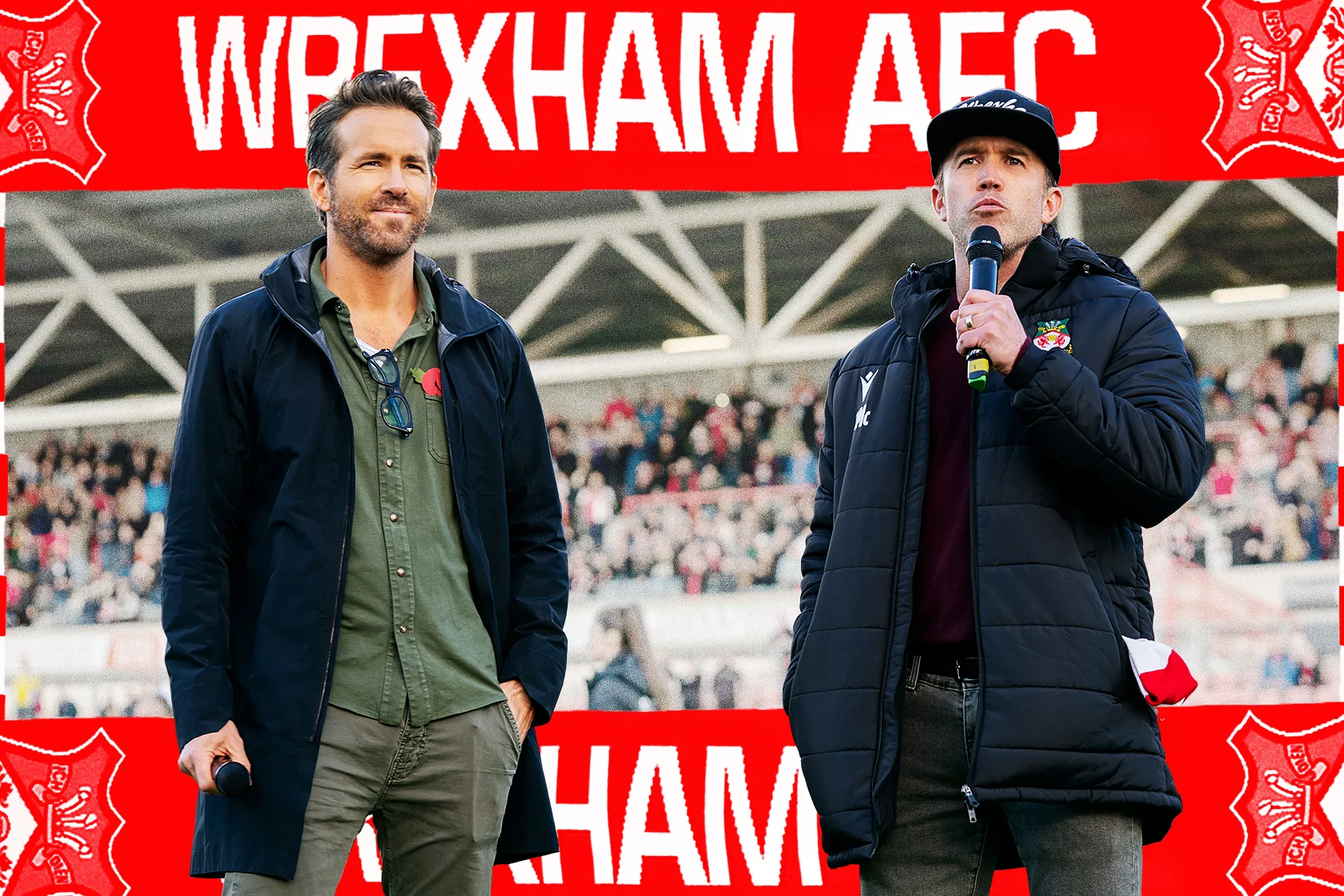
Wrexham offers a different model. Under Ryan Reynolds and Rob McElhenney, the club has achieved three consecutive promotions, reaching the Championship while transforming its international profile through commercial partnerships and Welcome to Wrexham. Their approach demonstrates how ownership can turn publicity and investment into momentum on the pitch, provided that commercial expansion is accompanied by footballing ambition.
The financial figures nevertheless reveal the cost of that ambition. Wrexham's revenue reached £33.3 million in the 2024–25 season, while its wage bill rose to almost £20 million and its losses increased to £14.85 million. Their subsequent investment from Apollo Sports Capital has provided further resources for long-term growth, including stadium redevelopment. This is not simply a story of celebrity owners making money from a football club; it is a test of whether commercial growth can sustain a credible sporting project as the cost of competing rises.
The distinction matters because being a fan and being an investor are not mutually exclusive, but they can produce different definitions of success. An owner emotionally invested in a club's identity may regard trophies, academy development and the relationship with supporters as ends in themselves. An owner primarily concerned with financial returns may view those same achievements as instruments for increasing the asset's value. Neither approach guarantees good decisions, and passion cannot replace competence, but the underlying priorities influence how money is spent, how setbacks are handled and how long a manager is given to build something.
Nor should making money be treated as a betrayal of football. Clubs need sustainable finances, capable executives and commercial expertise. The problem arises when financial performance becomes the clearest measure of success while supporters continue to judge the institution by what happens on the pitch. They invest their time, money and loyalty in a sporting identity, not merely in an appreciating asset.
Galatioto's analysis helps explain why wealthy investors continue to enter the market: established clubs offer scarce, globally recognised brands in an industry with extraordinary cultural staying power. Yet the very qualities that make football attractive to investors are the ones a balance sheet cannot fully capture: belonging, history and the belief that next season might finally be the one.
If the biggest payday comes when a club is sold, the question is not whether its owners should make money, but what they intend to leave behind when they do. Are they building a football club, or preparing an asset for its next owner?