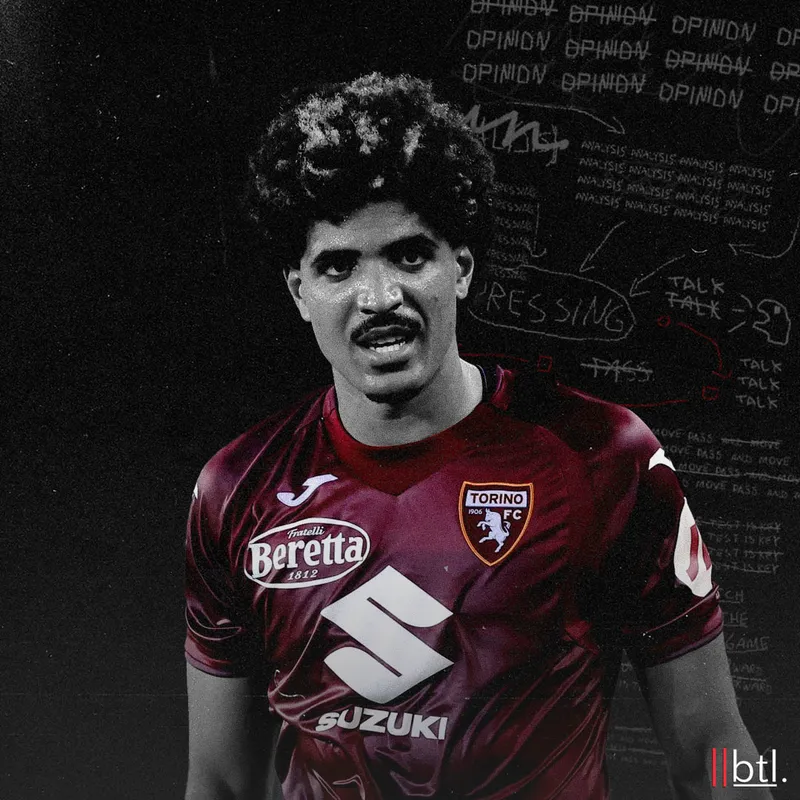
Illustrator Gabriel Foligno Photographer Jonathan Moscrop Publication Getty Images
The Circle of Tactics
Football is entering a new tactical epoch – but how did we get here? And have we seen it all before? Every action has an equal and opposite reaction. Sir Isaac Newton’s famous Third Law of Motion is a cornerstone of physics but can just as…
Football is entering a new tactical epoch – but how did we get here? And have we seen it all before?
Every action has an equal and opposite reaction. Sir Isaac Newton’s famous Third Law of Motion is a cornerstone of physics but can just as easily applied to football tactics. When one team acts, the opposition reacts. But it also applies to tactics in a more generic sense. When a tactical philosophy enters football’s main stage as the lead, other tactical philosophies react.
Some of the supporting cast fight for the main role. Others are pushed to the back as extras. Other tactics still are killed off entirely and become a memory of the way football used to be. The latest trends in football to take the mainstage are quick attacks, long balls, tall strikers and set pieces. This style of football has many names. Dycheball, Brexit football, route one. Whatever you call it, the direct style of football that was once viewed as unsophisticated and anachronistic is back.
But how did we get here? To get to the root would require going through every action and reaction in the history of football’s tactics. The nexus of modern football, however, can be found with Rinus Michels' Total Football. From it, various axons delivered principles and ideas throughout the game.
Credits
Words
Brent Forrest