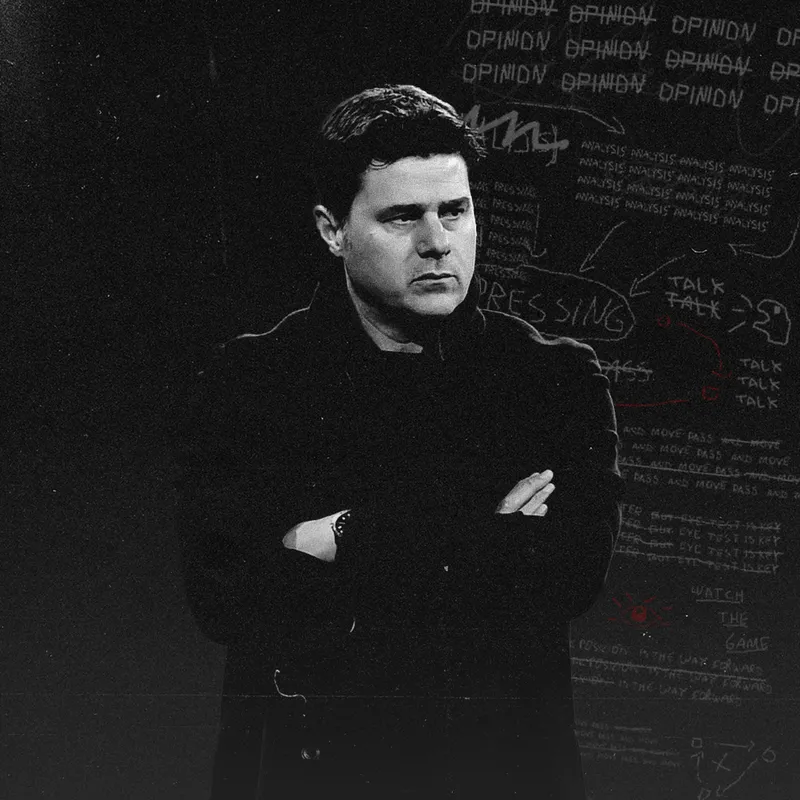
Illustrator Gabriel Foligno Photographer David Ramos Publication Getty Images
The Chess Match: Can USMNT's "German Blueprint" Outwit Paraguay's Grit?
In the relentless and ever-evolving landscape of modern football, a mere reliance on historical pedigree or the weight of a storied name is a cardinal sin. The beautiful game has irrevocably shifted; success is no longer a legacy of past…
In the relentless and ever-evolving landscape of modern football, a mere reliance on historical pedigree or the weight of a storied name is a cardinal sin. The beautiful game has irrevocably shifted; success is no longer a legacy of past glories, but a testament to present-day adaptability. It is this capacity for evolution, this willingness to absorb and implement new tactical ideologies, that truly separates the genuine contenders from the hopefuls.
Nowhere is this paradigm shift more apparent than in the potential tactical clash between the United States Men's National Team (USMNT), seemingly adopting a modern German football philosophy, and a Paraguay side renowned for its sheer physicality and unyielding nature. Picture this: the USMNT, having diligently absorbed the tenets of the "German school" – unwavering discipline, a suffocating and high-energy pressing game, intricate and fluid ball circulation, and devastatingly swift transitions from defense to attack.
This disciplined, structured unit is poised to face a Paraguayan team engineered precisely to frustrate and wear down opponents. We are talking about a team defined by its tenacious physicality, defensive solidity akin to a medieval fortress, and an ingrained resolve to transform every match into a grueling battle of attrition.
Julio Enciso: Brighton’s Paraguayan Prodigy
The Tactical Crucible: Discipline vs. Grit
This confrontation promises a fascinating collision: the "precision and pace" embodied by the USMNT's German-inspired approach versus Paraguay's "power and obstruction." The fundamental question looms large: can this new-look USMNT, with its emphasis on speed and structure, successfully penetrate and dismantle a compact, physically imposing, and deeply rooted defensive block like Paraguay's?
History offers cautionary tales; German-style teams, while tactically astute, can sometimes exhibit impatience when faced with initial defensive resistance. If the first breakthrough isn't achieved, a subtle dissolution of team shape can emerge, exposing vulnerabilities.
Conversely, Paraguay thrives in such scenarios. They are a team that seems to draw energy from hardship. They don't buckle under pressure; instead, they actively seek to turn matches into attritional contests. Their aim is to draw opponents into a prolonged war of attrition, a prolonged mental and physical struggle designed to wear down the opponent's focus and, ultimately, their resolve. They are masters of the psychological game, waiting for the opponent to fray.
South America: The Place of the Dark Horses for the 2026 World Cup
The Verdict: Patience as the Ultimate Weapon
For the USMNT to prevail, simply relying on raw athletic speed will not suffice. Their trump card lies in cultivating that clinical, almost surgical, "German" patience. Yes, the high press must be applied with intensity and precision, but crucially, the team must maintain its composure and tactical intelligence to unlock the defense with surgical precision, when the available spaces are microscopic.
If the USMNT allows this contest to devolve into a physical brawl, a tit-for-tat contest where strength and endurance are paramount, they are playing directly into Paraguay's hands – a significant tactical misstep. However, if they can impose their rhythm, dictate the tempo, and maintain purposeful, intelligent ball circulation, they possess the capability to systematically dismantle that formidable defensive structure.
Ultimately, this contest transcends mere physical exertion. It's a high-stakes chess match, a battle of wits between "controlled structure" and "defensive resilience." While declaring outright victory in the precarious arena of international football is inherently risky, a reasoned evaluation based on tactical principles suggests that the USMNT's probability of success increases significantly if they can successfully instill that disciplined German identity into their play.
USMNT vs Türkiye: Lessons, Lapses and Late Growing Pains in East Hartford
Germany's Approach vs. Paraguayan Grit: Discipline vs. Endurance
Teams like Germany, with their emphasis on structure, precise pressing, and quick transitions, employ a systematic approach against teams like Paraguay. They aim to disrupt the opponent's defensive organization by creating temporary numerical superiority in key areas of the pitch through fluid movement and quick, short passes. German play emphasizes space control, anticipation of opponent movements, and efficient exploitation of defensive gaps.
They circulate the ball patiently, waiting for the opportune moment to strike, thereby preventing the potential impatience of an opponent facing their compact structure. Against Paraguay, they would seek to stifle build-up play through meticulous and organized pressing, utilizing swift transitions to exploit spaces left in the opponent's rearguard.
Contrast with France's Approach: Individual Brilliance and Tactical Flexibility
In contrast, teams like France, despite possessing exceptionally talented individual players, might adopt a different strategy. While France can also be defensively solid, they often rely on individual flashes of brilliance, technical skills, and the ability of key players to break down defensive lines through individual skill. France might focus less on systematic ball circulation and more on creating chances through individual maneuvers, dribbling, and inventive passes.
Against a team like Paraguay, France might try to leverage the speed and ability of their attacking players to create unexpected openings, but could struggle to find creative solutions against a compact defensive block unless key players produce an exceptional performance. France also possesses greater tactical flexibility to alter their system mid-game, which can be an advantage against well-organized teams like Paraguay.
Atlético Madrid Without Griezmann: The End of Simeone’s Tactical Translator
The German-Inspired USMNT vs. Paraguay: Tactical Nuances
How can the USMNT, by embodying the German ethos, effectively neutralize and overcome a physically dominant and defensively compact Paraguay? The Paraguayan team, built on a foundation of robust physicality and organized defensive structure, presents a formidable challenge for any opponent. However, the tactical identity the USMNT is adopting provides a potent arsenal for dismantling this style of play:
- Unlocking the Defensive Lock with Tactical Intelligence
Varied Tempo and Psychological Warfare: Instead of engaging in a direct, brute-force physical contest where Paraguay holds a distinct advantage, the USMNT must master the art of tempo manipulation. Introducing calculated pauses and rhythmic shifts serves a dual purpose: disrupting the opponent's flow and forcing Paraguayan defenders into difficult decision-making processes. This strategic manipulation of pace, especially when deployed through probing play wide and exploratory attacks, can effectively draw the opponent out of their comfort zone and expose potential chasms.
Exploiting Width and Depth: By maximizing the full width of the pitch, often with overlapping runs from full-backs or wing-backs, and orchestrating deep penetrations into defensive lines, the USMNT can stretch and ultimately fracture Paraguay's compact structure. This offensive strategy is amplified by constant positional rotation within the attacking unit, a dynamic movement that inherently disorients defenders tasked with maintaining rigid marking duties.
- Controlling the Game and Efficient Pressing
Strategic Initial Pressing and Space Denial: In the defensive phase, the USMNT's strategy must revolve around a targeted and cohesive collective press. This synchronized effort aims to decisively shut down Paraguay's primary passing channels, force errors, and ideally, reclaim possession deep within the opponent's half. This proactive approach effectively suffocates Paraguay's ability to build attacks methodically from the back.
Promise, Pressure, and Pochettino: Between Optimism and Doubt, Where the USMNT Stands
Organized Midfield Fortress: Should the initial press prove ineffective, the team must seamlessly transition into a disciplined, compact mid-block. This dense unit denies space and control in central areas to Paraguay, preventing them from leveraging their physical dominance to dictate play and establish possession.
- The Power of Transitions:
Perhaps the most significant potential advantage for this USMNT lies in its capacity for swift and explosive transitions:
Speed from Defense to Attack: The moment possession is regained, the USMNT must exhibit an immediate and explosive transition towards the Paraguayan goal. This involves a series of short, precise, and rapidly executed passes. Such velocity and accuracy in the transition phase can catch a retreating Paraguayan defense completely off guard, creating optimal conditions for clear-cut scoring opportunities.
The Necessity of Gegenpress (Counter-Pressing): Equally vital is the immediate reaction upon losing possession – the Gegenpress. A rapid, aggressive counter-press is essential to thwart organized counter-attacks by Paraguay and to immediately re-establish territorial advantage, driving play back towards their goal.
Ramón Sosa: From Talleres to the Trent End
The "German Identity": Why It Works Against Paraguayan Strengths
A team forged in the crucible of discipline, embodying teamwork, positional fluidity, and rapid decision-making, offers distinct advantages against Paraguay's inherent strengths:
- Disrupting Paraguay's Organized Structure: Paraguay typically operates as a well-drilled, physically imposing, and compact unit, favoring a tight, organized defensive block. By attacking from the half-spaces – those critical zones between the center and the flanks – and incorporating adventurous overlapping full-back runs, the USMNT can effectively challenge Paraguay's concentrated defensive structure. This creates difficult choices, a tactical trade-off between deep coverage, half-space control, and maintaining width.
- Inducing Decision Paralysis: As previously noted, the Paraguayan full-back, often tasked with defending a wide area, faces multiple threats: the winger, the overlapping full-back, and potentially a surging midfielder. Against a Paraguayan defense that may lack the instantaneous reactive capabilities of top-tier European counterparts, this multiplicity of threats can breed uncertainty, leading to hesitation and, crucially, potential breakdowns.
- Mitigating Paraguayan Physical Dominance: When attacks are characterized by speed, intelligent use of space (especially the half-spaces), and intricate passing patterns, Paraguay finds fewer opportunities to engage in their preferred style of robust, physical play. Direct, one-on-one physical contests become less frequent, neutralizing a key Paraguayan advantage.
- Creating Counter-Attacking Opportunities: Paradoxically, by adopting an aggressive, possession-based attack that pushes players into advanced positions, particularly into the half-spaces with quick, penetrative passes, the USMNT can create significant space behind Paraguay's retreating defense. This strategically positions them for potent counter-attacks should possession be lost and immediately regained.
Christian Pulisic Finding a New Lease on Life at Milan
Key Factors for USMNT Success:
To secure victory, the USMNT must meticulously focus on several critical elements:
Layered Passing Sequences: Employing combinations of layered passes, where each subsequent pass bypasses defensive lines at different depths, systematically dismantles the opponent's pressure and advances players into more dangerous positions.
High-Speed Diagonal and Deep Passes: Executing high-velocity diagonal or deep passes is vital. These passes can bypass defensive lines and quickly occupy space.
Winger-Full-back-Midfielder Synergy: Coordinated interplay between the winger, the overlapping full-back, and a supporting midfielder, creates immense psychological pressure on the Paraguayan defender. Faced with the dual responsibility of marking these multiple threats, the defender's ability to scan effectively and make correct decisions is severely compromised, leading to mental fatigue and potential errors.
Defensive Discipline and Error Minimization: Maintaining unwavering team defensive discipline and drastically reducing unforced errors is paramount. Attacks must not be undermined by needless mistakes, as Paraguay excels at exploiting set-pieces and long throws. A moment of lapse can instantly create a perilous situation.
Newcomers and Second Appearances: What to Expect in the 2026 World Cup
Acknowledging Potential Weaknesses and Paraguay's Strengths:
A realistic tactical assessment necessitates acknowledging the USMNT's potential vulnerabilities:
Penetrating Low Defensive Blocks: The team sometimes struggles to find creative solutions against compact, deep-lying defenses.
Final Third Creativity: A potential lack of inventive playmaking and decisive action in crucial attacking moments may hinder chance creation.
Vulnerability Behind the Press: Should the initial pressing structure be bypassed, significant space can open up behind the advanced defensive line, inviting potent counter-attacks.
Uruguay: The Legacy of Garra Charrúa
Struggles Against Physicality: While adopting a new identity, the team might still face challenges in sustained engagement against exceptionally strong, physically dominant opponents.
Conversely, Paraguay possesses dangerous and distinct strengths:
Resilience Against the Press: They demonstrate a commendable ability to effectively navigate and bypass an opponent's pressing efforts.
Midfield Control: Paraguay excels at closing down central areas and limiting opponent options.
Emphasis on Wide Play: They often direct their attacking forays towards the flanks, seeking to exploit width.
Exploiting Space Behind the Press: Paraguay is adept at utilizing channels and spaces that emerge behind an advanced defensive line.
Italy’s missing the World Cup is the Fault of Modern Football
Transition Power and Set-Piece Prowess: Their speed in executing quick transitions and their effectiveness in dead-ball situations (free kicks and long throws) make them a constant threat.
In this tactical crucible, the team that successfully imposes its rhythm upon the opponent will invariably gain the upper hand, both mentally and tactically. The USMNT must resist the temptation to engage in a direct "war of attrition." Instead, their path to victory lies in orchestrating the game with speed, surgical precision, and unwavering tactical discipline, forcing Paraguay into a reactive posture. Their objective should be to probe and pass patiently until the defensive block inevitably yields.
Modern Strategies for the USMNT Against Paraguay:
To truly embody the German spirit, the USMNT must cultivate a sophisticated "information processing" system within their tactical framework, integrating these strategic imperatives:
- Anticipation Before the Pass: Even before the first pass is initiated, players must anticipate opponent movements and preemptively block potential passing channels, thereby starving Paraguay of options.
- Disrupting Diagonal Pass Angles: When executing diagonal passes, the aim must be to disrupt the opponent's visual angles and limit their secure passing routes, forcing them into less advantageous choices.
- Post-Press Recovery Mechanisms: Should the initial pressing structure be successfully bypassed, the deployment of perceptual traps, variable defensive cover schemes, and intelligent defensive rotation to regain control and thwart dangerous counter-attacks will be critical.
- Central Compression and Triggered Traps: In the heart of midfield, implementing simultaneous compression of defensive and midfield lines activated by specific triggers, coupled with an "informational siege" that overwhelms the opponent, is key. This means the USMNT not only presses the ball carrier but actively limits the opponent's decision-making capacity, significantly increasing the time required for them to process information and act. This controlled chaos is the hallmark of elite tactical execution.
Written by Safoura Tarzaban / @safouratarzaban / tarzaban.safoura@yahoo.com
Credits
Words
Safoura Tarzaban